The SDV Paradox: Tesla’s Hardware 3 Faces an Uncertain Future
Elon Musk's latest earnings call suggests a lack of a concrete hardware upgrade path for Tesla owners with older FSD hardware. As the stack moves toward end-to-end neural networks, the computational limits of Hardware 3 are becoming a central concern for the SDV pioneer.
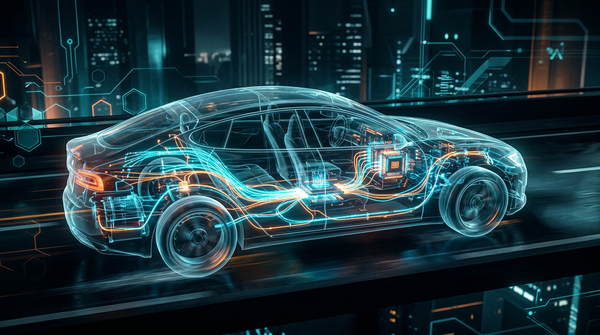
In the world of Software-Defined Vehicles (SDVs), the hardware is supposed to be the foundation, not the bottleneck. However, Tesla’s latest Q2 2026 earnings call has cast a shadow of uncertainty over thousands of owners equipped with "Hardware 3" (HW3). Despite previous promises that HW3 would be sufficient for Full Self-Driving (FSD), CEO Elon Musk provided no clear plan for how these older vehicles will run the latest, more computationally intensive software stacks.
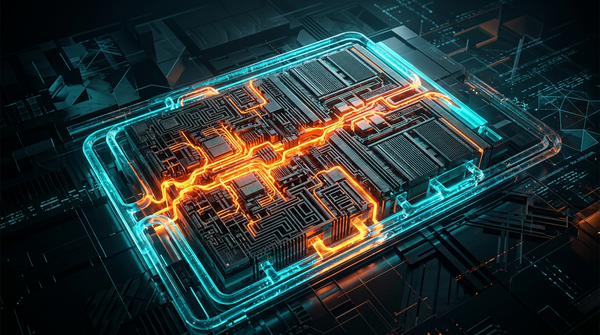
The dilemma lies in Tesla's shift toward "end-to-end" neural networks, which replace millions of lines of hand-coded C++ with massive, unified AI models. These models require significantly higher inference performance and memory bandwidth—areas where the newer AI-4 (formerly Hardware 4) hardware excels. For the SDV model to work, manufacturers must ensure longevity through backward compatibility or seamless upgrades, yet Musk’s comments suggest that HW3 might eventually be left behind as the software evolves.
This situation highlights the precarious nature of the SDV promise: when the software's ambition outpaces the silicon's capability, the "upgradability" of the vehicle becomes its greatest liability. For Tesla, navigating this transition without alienating its early adopters will be a critical test of its software-first philosophy. If older vehicles cannot support the latest FSD releases, the industry may see a shift toward modular hardware designs that allow for easy processor swaps, rather than the integrated, non-updatable architectures seen today.
Source: Electrek