The Rise of the Intelligent Metropolis: Scaling Physical AI in Urban Centers
NVIDIA is enabling cities to transform massive sensor data into actionable insights using Physical AI. This movement bridges the gap between digital simulations and real-world urban management, optimizing everything from traffic flow to public service maintenance.
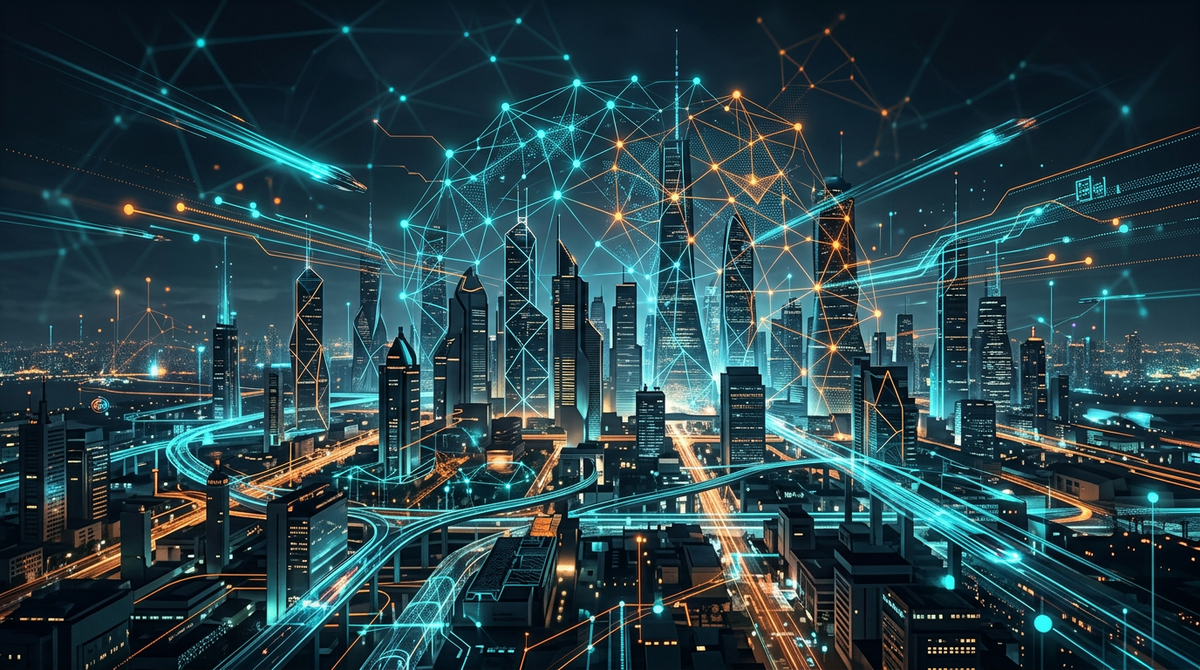
Modern cities are data-rich but often insight-poor. Every day, thousands of cameras, environmental sensors, and operational systems generate petabytes of information that remain siloed or underutilized. NVIDIA is now positioning Physical AI and agentic workflows as the connective tissue that turns this data into "living" urban infrastructure. By leveraging Physical AI, cities can move beyond static monitoring to proactive management.
This transition relies on the ability of AI agents to perceive the physical world through computer vision and sensor fusion, reason about the data in the context of urban policy, and suggest or execute interventions. For example, Physical AI can analyze traffic patterns in real-time to adjust signal timing not just for congestion, but for emergency vehicle priority or pedestrian safety. In the realm of maintenance, agentic AI can predict infrastructure failure in bridges or water systems by detecting subtle anomalies in sensor feeds that would be invisible to human monitors.
A critical component of this rollout is the use of digital twins. By creating high-fidelity virtual replicas of city environments, planners can use frontier AI models to simulate "what-if" scenarios—such as a major storm or a new transit line—before implementing changes in the physical world. This ensures that the Physical AI deployed on the streets is already "trained" on the specific geography and dynamics of that city. As these agentic systems scale, the goal is to create a more responsive, efficient, and safer urban environment where the digital and physical worlds operate in a continuous feedback loop.
Source: NVIDIA Blog