The Rise of Physical AI: Bridging the Gap Between Code and Core
Korea’s industrial giants and startups are converging on 'Physical AI'—the integration of AI agents into the tangible world. From smart factories to logistics, the focus is shifting from digital chatbots to embodied intelligence that can perceive and act.
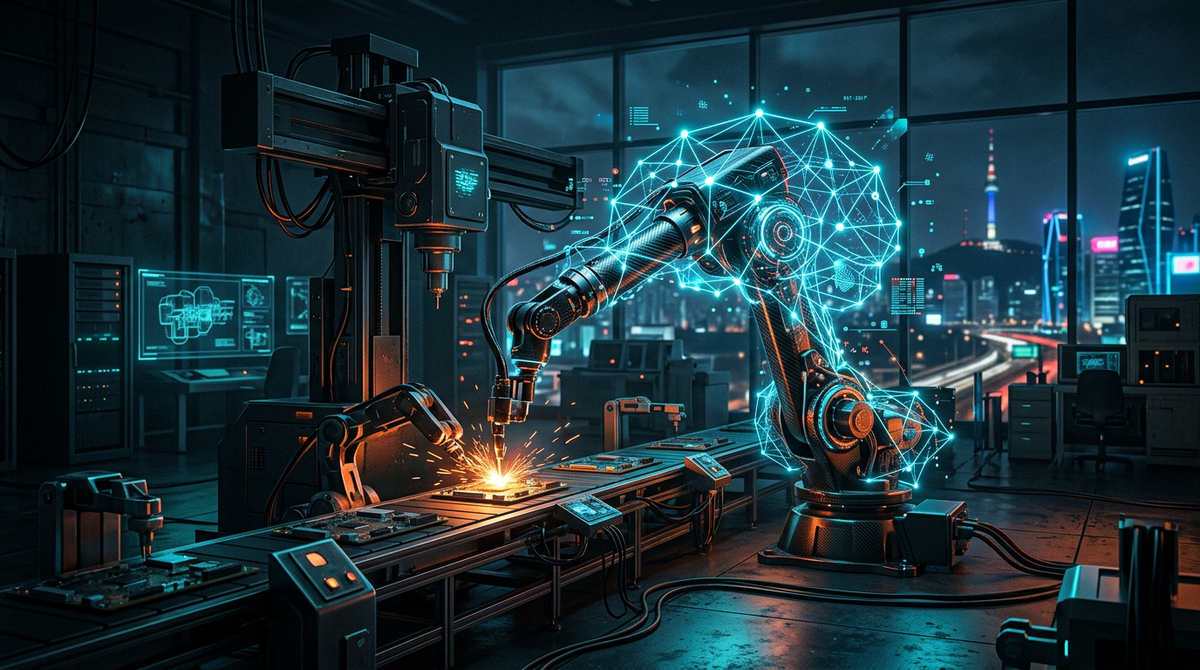
The landscape of artificial intelligence is undergoing a foundational shift. While the last two years were dominated by Large Language Models (LLMs) and digital assistants, the next frontier is "Physical AI." At the recent AI Day Seoul, industry leaders from South Korea’s massive manufacturing and technology sectors gathered to discuss how AI is finally breaking out of the screen and into the physical environment.
Physical AI represents the bridge between neural networks and mechanical action. Unlike generative AI, which thrives on text and pixels, Physical AI requires a sophisticated understanding of physics, spatial reasoning, and real-time sensory feedback. NVIDIA’s presence at the event underscored the role of "AI factories"—massive computing clusters designed specifically to train the world’s next generation of autonomous agents.
South Korea, with its deep roots in advanced manufacturing and robotics, is uniquely positioned to lead this transition. Startups in the region are leveraging vision AI to transform traditional industries. For example, in recycling centers, AI agents are now capable of identifying and sorting waste on high-speed conveyor belts with a level of precision that exceeds human capability. This isn't just about automation; it’s about creating systems that can learn and adapt to the messy, unpredictable nature of the physical world. As these agents become more adept, we can expect a ripple effect across supply chains, transforming everything from how we build cars to how we manage urban waste.
Source: NVIDIA Blog