The Limits of Assistance: Scrutinizing ADAS After New Jersey Intersection Fatality
A fatal accident in New Jersey involving a Tesla running a stop sign while on FSD/Autopilot has reignited the debate over the safety of Level 2+ systems. As ADAS becomes more prevalent, the industry faces mounting pressure to ensure reliability at intersections.
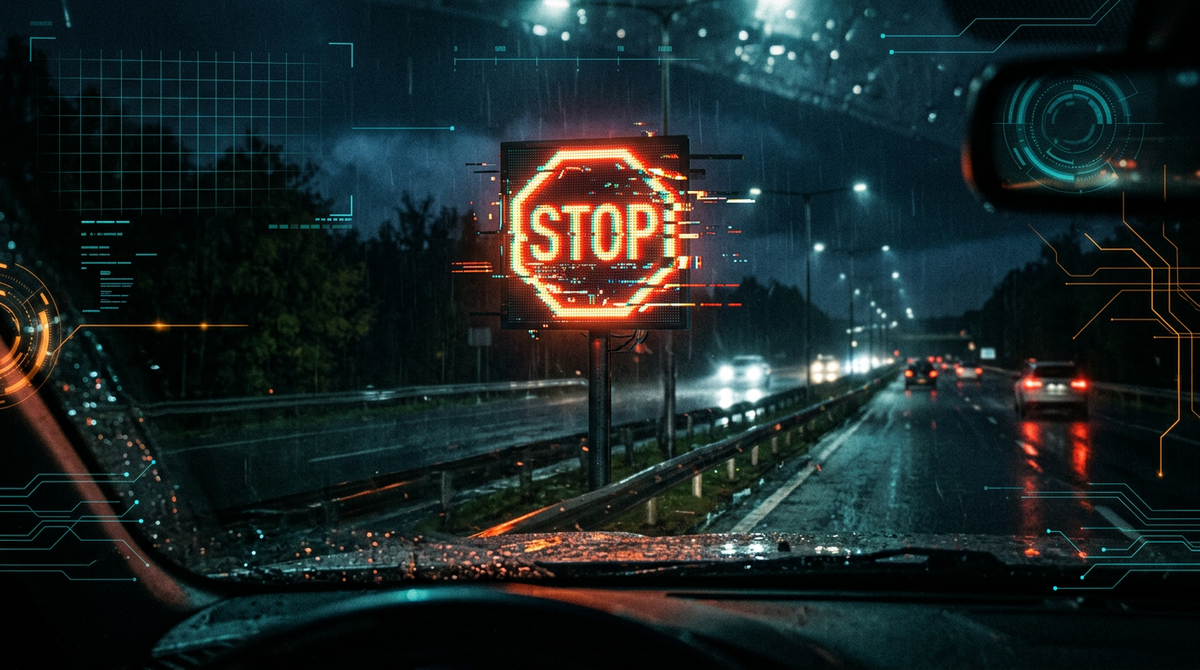
A recent tragedy in Buena Vista Township, New Jersey, has cast a somber light on the current state of Advanced Driver Assistance Systems (ADAS). A Tesla Model 3, confirmed by police records to have been operating on Full Self-Driving (FSD)/Autopilot, ran a stop sign and collided with another vehicle, resulting in a fatality. This incident underscores a critical gap in current ADAS capabilities: the reliable detection and reaction to static traffic control signals in complex intersection scenarios.
While Tesla’s FSD is marketed as a step toward full autonomy, it remains a Level 2+ system that requires constant human supervision. The failure of the system to recognize or act upon a stop sign highlights the limitations of purely vision-based or neural-network-driven perception when faced with real-world edge cases. For the ADAS industry, this event serves as a stark reminder that "nearly perfect" is not enough when human lives are at stake. It raises difficult questions about how these systems communicate their confidence levels to the driver and how they handle the hand-off of control in emergency situations.
Regulators and engineers are now looking closer at "Outlier Detection" and the robustness of safety-critical algorithms. As manufacturers push the boundaries of what driver-assist technologies can do, the responsibility to prevent "automation bias"—where drivers become overly reliant on the system—grows. The New Jersey accident will likely lead to increased scrutiny of how ADAS handles intersections, potentially mandating more rigorous testing for stop-sign and traffic-light recognition before such features can be deployed at scale.
Source: Electrek