The Human Side of Robotics: Charlie Kemp’s Vision for Assistive Machines
Roboticist Charlie Kemp of Hello Robot emphasizes that the future of robotics lies in assistive technologies designed for real-world human environments. His work focuses on simple, mobile robots that help users with daily tasks.
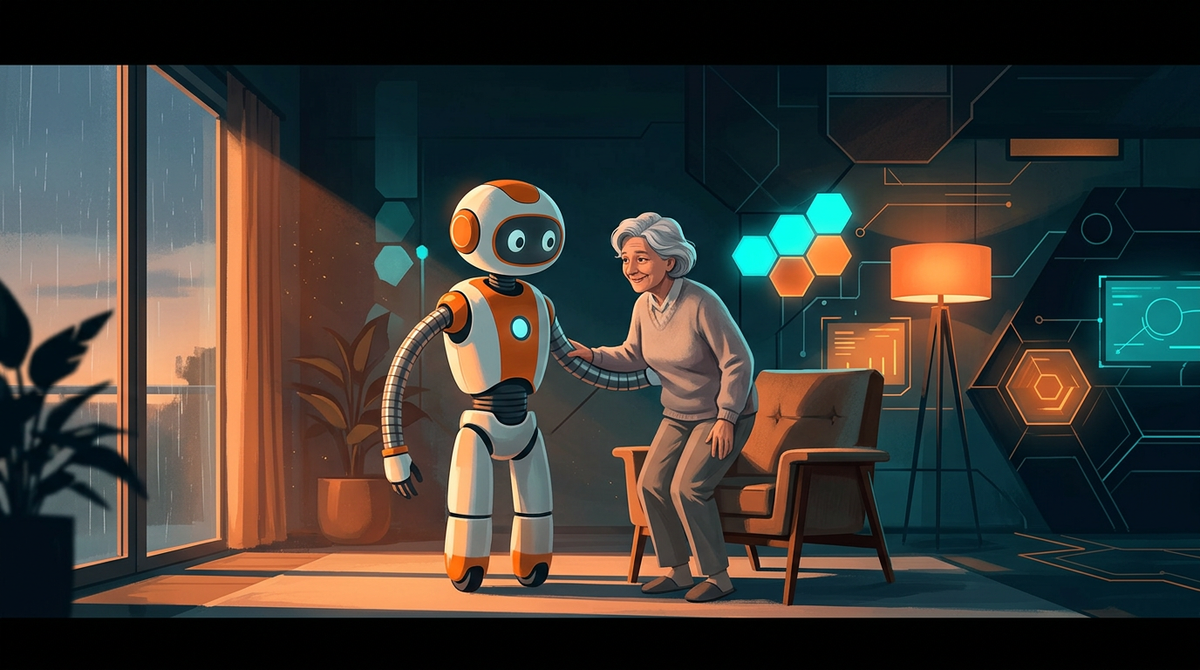
In the world of robotics, the most impressive machines aren't always the ones that can do backflips; they are the ones that can pick up a dropped remote or open a drawer for someone with limited mobility. Charlie Kemp, co-founder of Hello Robot and a prominent figure in assistive robotics, is championing a philosophy where robotics serves as a direct extension of human capability.
His work with the Stretch robot platform focuses on the "Day in the Life" of the user. Unlike industrial robots that operate in highly controlled environments, assistive robots must navigate the inherent messiness of a human home. This requires a unique blend of compliant hardware and intelligent software that can adapt to varying heights, weights, and textures of everyday objects. Kemp argues that the true measure of a robot’s success is its utility in the domestic sphere, where it can provide independence to the elderly or those with disabilities.
The challenge for the next generation of roboticists is to move away from "gimmick" robotics and toward functional integration. Kemp’s approach emphasizes simplicity: a single-arm mobile platform that is affordable enough for home use but sophisticated enough to learn new tasks through user interaction. As the global population ages, this shift toward assistive robotics is no longer just a research interest—it is a societal necessity.
Source: IEEE Spectrum