The Handoff Crisis: Fatal ADAS Failures Prompt New Safety Debates
Safety concerns are mounting for Advanced Driver Assistance Systems as Tesla faces new scrutiny following fatal accidents involving Autopilot. The incidents highlight the ongoing 'mode confusion' between driver and machine.
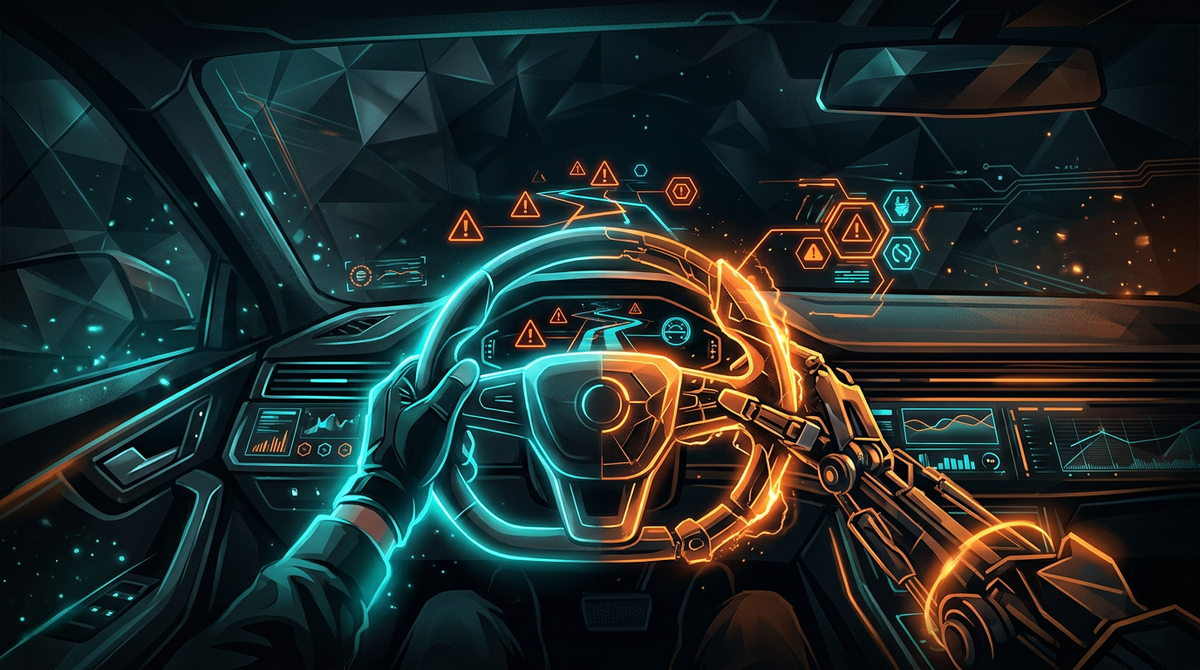
Despite years of iteration, Advanced Driver Assistance Systems (ADAS) continue to face life-and-death challenges regarding human-machine handoffs. Recent reports of a second fatal collision involving a Tesla driver on Autopilot—where the vehicle was stopped dead on a freeway at 3 a.m.—have reignited the debate over the safety of Level 2 systems. These incidents highlight a phenomenon known as 'mode confusion,' where drivers overestimate the capabilities of their ADAS, leading to catastrophic outcomes.
While Tesla’s Autopilot and 'Full Self-Driving' (Supervised) systems are marketed as revolutionary, they remain fundamentally ADAS platforms that require constant human oversight. The recent fatalities, currently under investigation, suggest that the system's ability to detect stationary objects at high speeds remains a critical failure point. In both cases, the vehicles failed to appropriately react to stopped traffic, leading to high-speed rear-end collisions.
For the industry, these events are a sobering reminder that ADAS must be designed with 'human-centric' safeguards. Whether through more robust driver monitoring systems (DMS) or stricter operational design domains (ODD), the goal for the next generation of ADAS must be to bridge the gap between human expectation and machine capability without compromising safety.
Source: Electrek