The Fleet Orchestrator: Tesla’s Cybercab and the Future of SDVs
Tesla's Cybercab marks a shift toward the Software-Defined Vehicle era, where fleet management and software constraints take center stage over traditional ownership models.
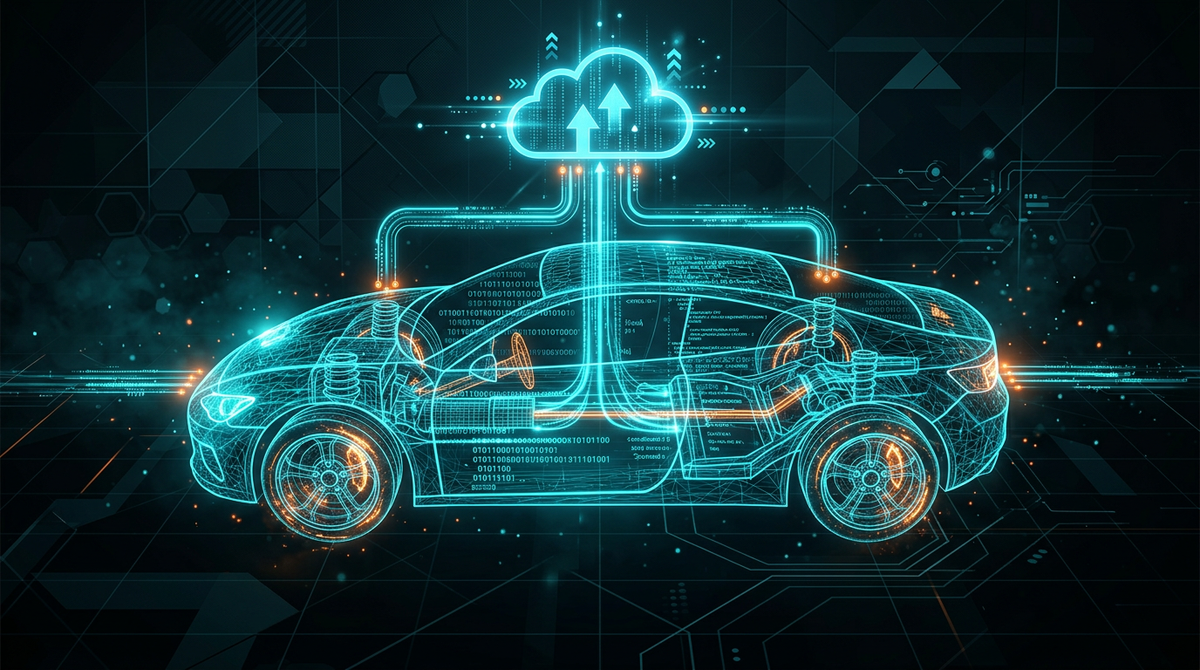
Tesla’s recent moves regarding the Cybercab reveal a fundamental shift in how the industry views the Software-Defined Vehicle (SDV). Rather than just a car with a large screen, the Cybercab represents a specialized node in a wider autonomous network. Recent reports indicate that Tesla is already soliciting interest for "Cybercab fleet vehicle purchasing," moving away from the individual owner-driver model toward a centralized, software-managed fleet operation.
The SDV nature of the Cybercab is highlighted by the strict software-enforced rules being baked into the platform. For instance, Tesla has indicated a policy prohibiting children under 13 from riding, even with a parent—a restriction more stringent than current Model Y deployments. These rules are not merely suggestions; they are integrated into the vehicle’s operating system, reflecting a future where the vehicle's behavior and access are governed entirely by cloud-based policies and real-time software updates.
This approach treats the vehicle as hardware-as-a-service. Owners who purchase these fleets will likely act more as "fleet managers" than drivers, relying on Tesla’s software stack to handle dispatch, charging, and safety protocols. As the industry matures, the value of the vehicle will reside less in its physical components and more in the efficiency and reliability of its software orchestration.
Source: TechCrunch