The Cybercab Pivot: Tesla’s Radical Bet on Software-Defined Autonomy
Tesla’s Cybercab represents a radical shift toward the Software-Defined Vehicle, featuring no steering wheel or pedals. This 'fork in the road' moment will test the limits of Tesla's vision-only approach.
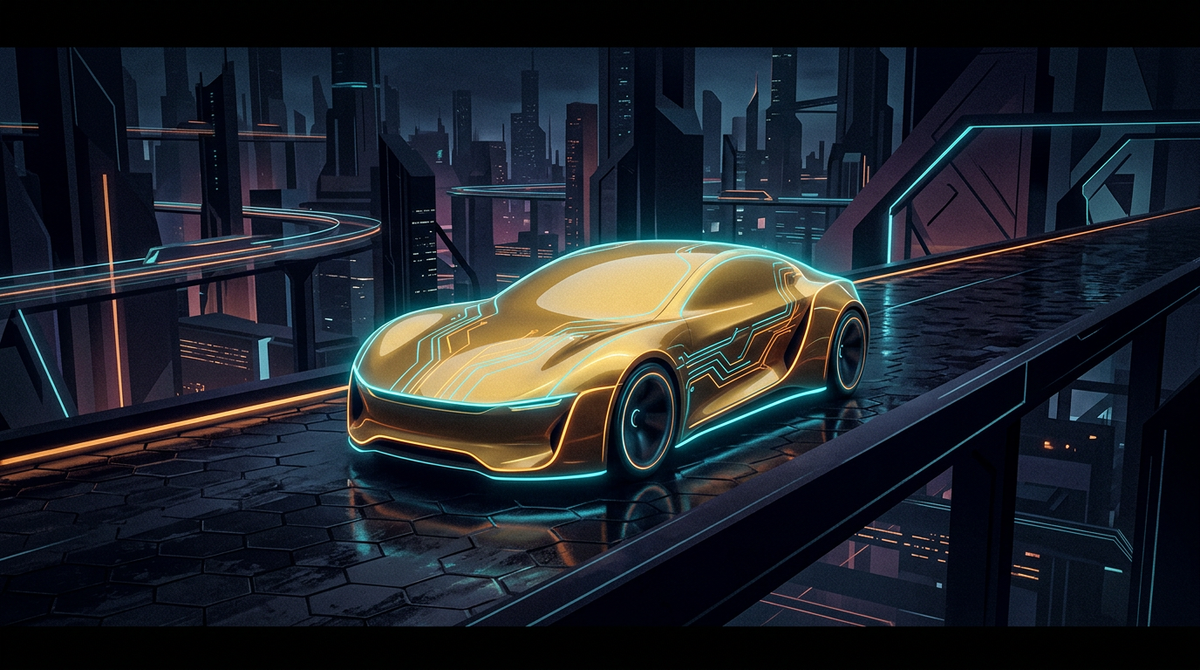
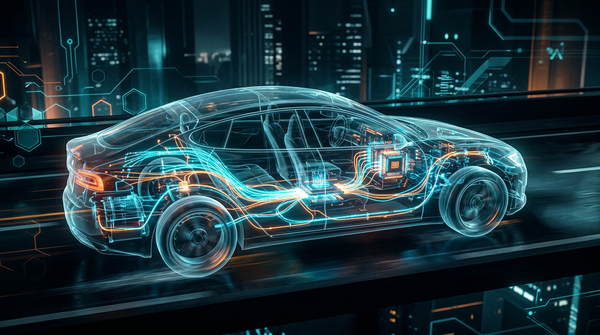
Tesla has reached a "fork in the road" moment with the formal introduction of the Cybercab. Unlike any vehicle previously produced by the company, the Cybercab is a dedicated two-seater designed from the ground up for autonomy, notably lacking a steering wheel or pedals. This design choice represents the ultimate expression of the Software-Defined Vehicle (SDV), where hardware is entirely subservient to the AI stack.
The Cybercab is a bold bet on Tesla’s "Vision" system—a camera-based approach to autonomy that eschews the expensive Lidar sensors used by rivals like Waymo. By removing manual controls, Tesla is signaling that it no longer views the vehicle as a tool for human drivers, but as a node in a massive, autonomous transport network. The vehicle is essentially a mobile computer, defined by its ability to receive over-the-air updates that refine its "intelligence" over time.
However, the move is not without controversy. Recent reports indicate Tesla may restrict ridership, potentially barring children under 13 even with parental supervision. Furthermore, the company is already exploring fleet sales, asking potential buyers to express interest in operating their own "Cybercab fleets." This shift from individual ownership to fleet management marks a fundamental change in Tesla’s business model and the future of SDV architecture.
Source: TechCrunch