The Cybercab Paradigm: Tesla’s Pivot to Software-Defined Fleets
Tesla is preparing to launch the 'Cybercab,' a two-seater vehicle devoid of steering wheels or pedals, representing a definitive shift toward a software-defined future. The company is now exploring fleet ownership models, allowing individuals to manage groups of autonomous taxis.
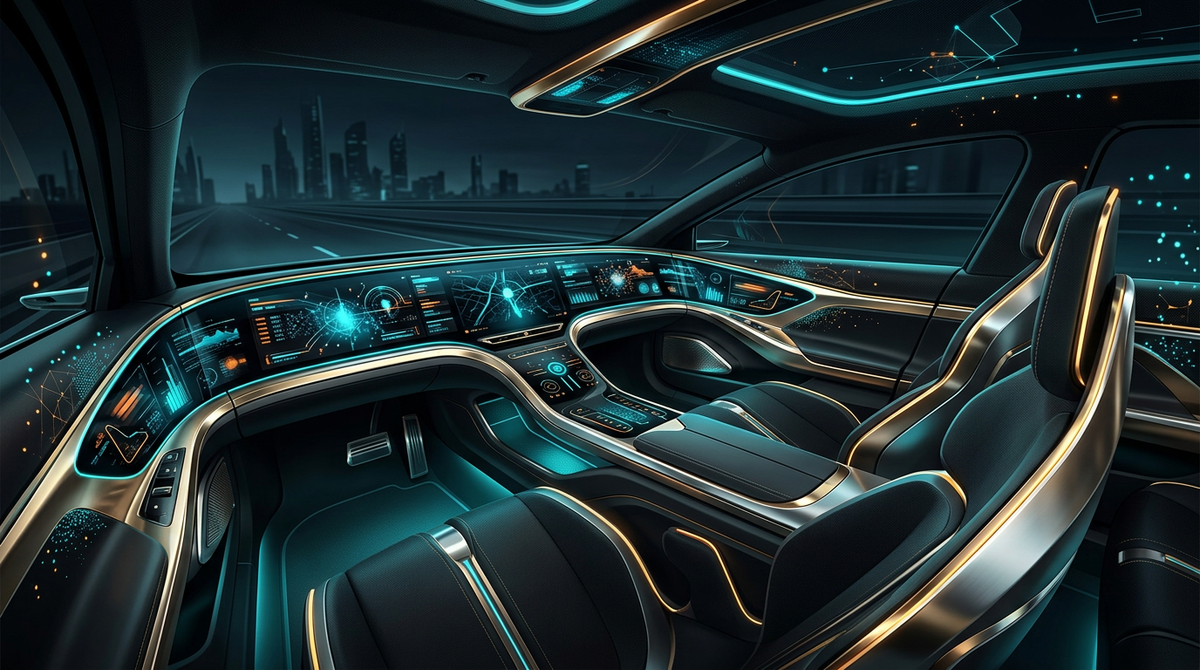
Tesla is approaching a "fork in the road" moment with the imminent launch of the Cybercab. This vehicle represents the purest expression of the Software-Defined Vehicle (SDV) concept: a gold, two-seater machine designed entirely around autonomous software, lacking any manual controls like steering wheels or pedals. This isn't just a new car; it’s a hardware platform designed to be a servant to Tesla’s Full Self-Driving (FSD) stack.
In a shift that could redefine vehicle ownership, Tesla has begun soliciting interest for "Cybercab fleet vehicle purchasing." This indicates a move away from the traditional consumer-retail model toward a decentralized fleet management system. In this vision, an individual or a business doesn't just buy a car for personal use; they purchase a fleet of software-governed assets that operate as a revenue-generating robotaxi service. The vehicle's utility is entirely defined by its software updates, fleet management tools, and remote diagnostic capabilities.
However, this transition to a software-first approach comes with new constraints. Recent reports indicate that the Cybercab will have strict age restrictions, potentially barring passengers under 13 even with parental supervision. These limitations highlight the ongoing tension between software capabilities and the regulatory/safety frameworks required for fully autonomous operation. As Tesla moves to turn the car into a mobile software service, the industry is watching to see if the hardware-software integration can finally deliver on the promise of a steering-wheel-free future.
Source: TechCrunch