The Cockpit as a Computer: BYD Pushes the Boundaries of SDV Interior Design
The shift toward Software-Defined Vehicles (SDVs) is intensifying as automakers integrate massive cockpit displays and AI-driven infotainment. BYD's latest interior reveal showcases the trend of turning the vehicle cabin into a high-performance computing hub.
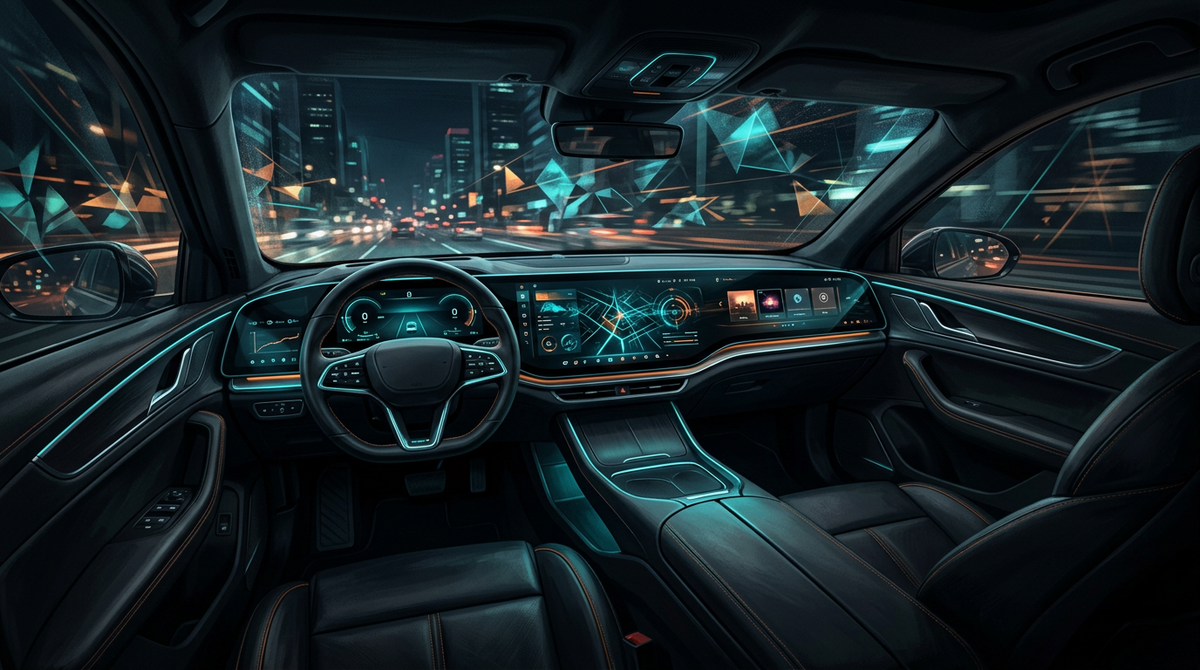
The interior of the modern automobile is being reimagined as a digital living space, a trend epitomized by BYD’s reveal of its third-generation Tang SUV. With two massive 30-inch-plus screens dominating the dashboard, the vehicle is no longer just a mode of transport; it is a sophisticated mobile computer. This move toward massive screen real estate is the visible tip of the Software-Defined Vehicle (SDV) iceberg.
Underneath these displays, automakers are moving toward centralized E/E (electrical/electronic) architectures. By consolidating functions that were once handled by dozens of discrete Electronic Control Units (ECUs) into a single, high-performance computing platform, manufacturers can update everything from battery management to the user interface via Over-the-Air (OTA) updates. This flexibility is the core promise of the SDV: the vehicle can improve and gain new features long after it leaves the dealership.
However, the move to larger screens and more complex software increases the demand on the vehicle's power systems and thermal management. As BYD and other Chinese EV manufacturers push the boundaries of cockpit tech, Western legacy automakers are under pressure to accelerate their own software transitions. The battle for the future of the car is being fought in the lines of code that define the user experience and vehicle performance.
Source: Electrek