The Age Gap: Why Tesla’s Cybercab is Restricting Young Passengers
Tesla's Cybercab introduces restrictive age requirements for passengers, sparking a debate on how ADAS and autonomous systems prioritize safety for vulnerable occupants. The move highlights the ongoing tension between technological capability and risk mitigation.
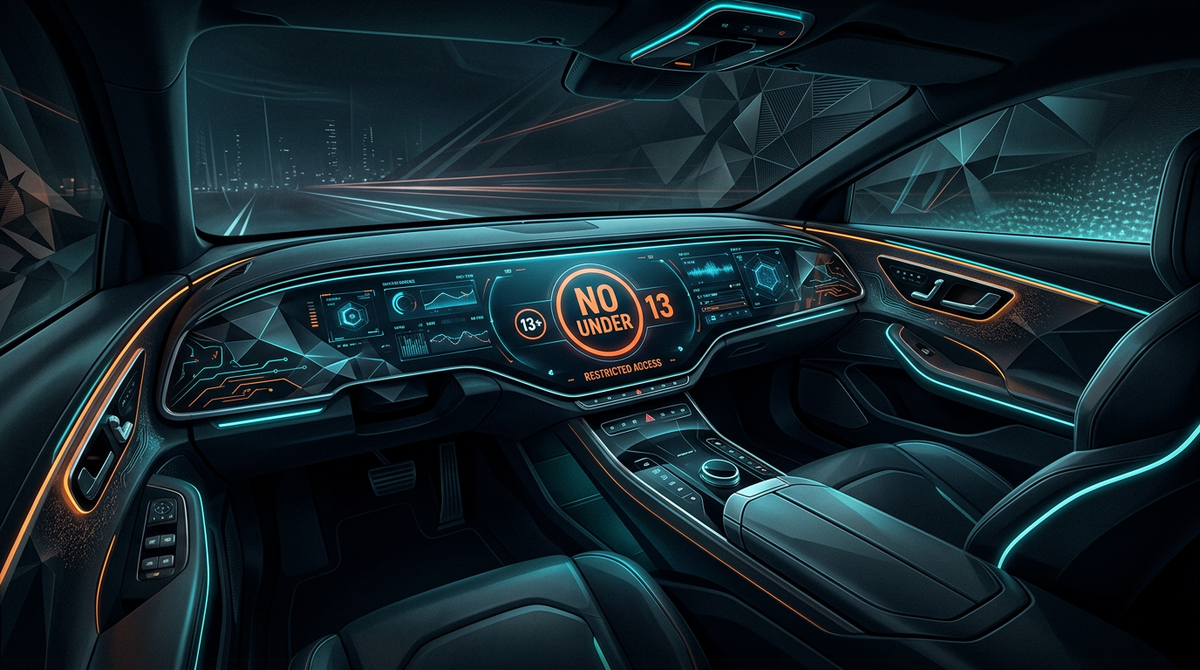
As Advanced Driver Assistance Systems (ADAS) evolve toward full autonomy, the rules governing who can ride in these vehicles are becoming more stringent. Tesla recently revealed that its forthcoming Cybercab will not permit passengers under the age of 13, even if accompanied by an adult. This policy is notably more restrictive than the standards for its current Model Y fleet, suggesting a conservative approach to the liabilities inherent in pilotless transport.
This decision underscores a pivotal challenge for ADAS developers: the "corner case" of pediatric passengers. Children present unique safety variables, from their smaller physical stature—which affects the efficacy of standard seatbelts and airbags—to their unpredictable behavior inside the cabin. By excluding younger passengers, Tesla may be attempting to bypass the complex engineering required to guarantee the safety of infants and children in a vehicle without a human driver to intervene during an emergency.
However, this move also raises questions about the inclusivity of autonomous transit. If the goal of ADAS and robotaxis is to provide universal mobility, age restrictions could limit the technology's utility for families. As other players like May Mobility go public with "asset-light" robotaxi models, the industry will have to decide if safety-by-exclusion is a temporary bridge or a permanent fixture in the autonomous landscape.
Source: TechCrunch