Tesla’s Cybercab: The Ultimate Software-Defined Vehicle Test
Tesla is set to launch its purpose-built 'Cybercab' in Austin, marking a departure from its traditional steering-wheel-based designs. This move represents a high-stakes bet on the software-defined future of mobility.
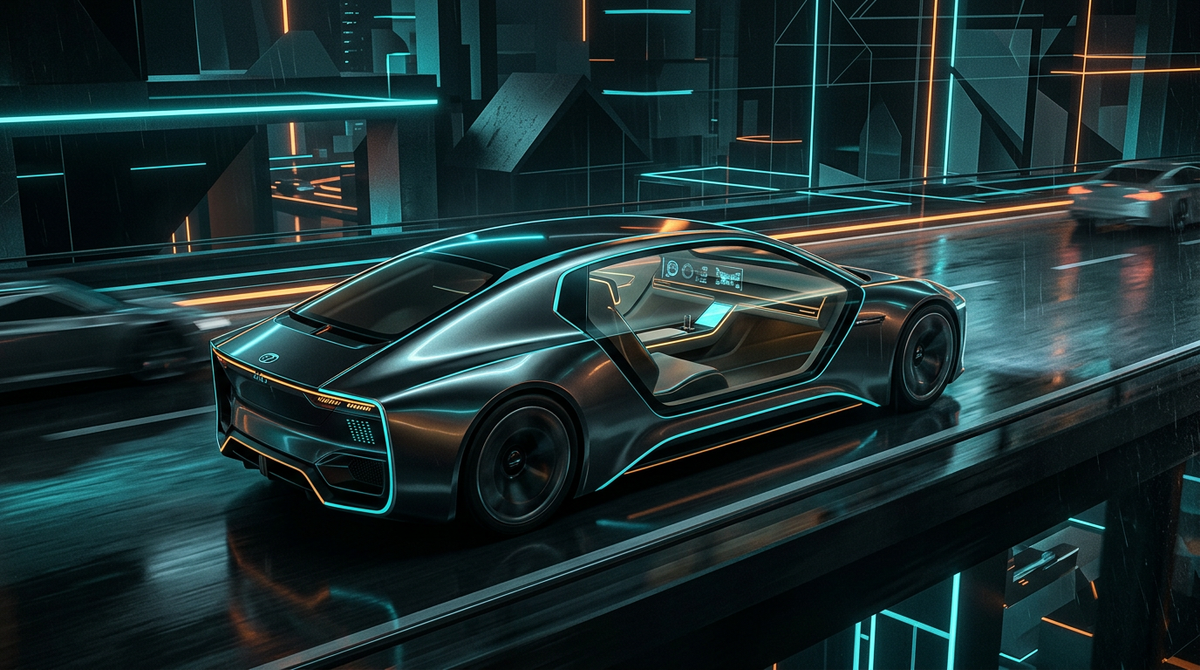
The long-rumored Tesla Cybercab is nearing its public debut in Austin, signaling a pivotal moment for software-defined vehicles (SDVs). Unlike previous Tesla models, which were passenger cars retrofitted with self-driving hardware, the Cybercab is reported to be the first Tesla built from the ground up without traditional controls like a steering wheel or pedals. This is the ultimate expression of the SDV: a vehicle where the hardware is entirely subservient to the software stack.
The launch comes at a time of skepticism regarding the pace of full autonomy, yet Tesla’s move suggests a 'burn the boats' strategy. By removing manual controls, Tesla is committing to a future where the vehicle’s value is derived almost entirely from its FSD (Full Self-Driving) software. This transition requires a massive overhaul of vehicle architecture, moving toward centralized compute systems that can handle the gigabytes of sensor data required for safe navigation without human intervention.
For the broader industry, the Cybercab serves as a bellwether. If Tesla can successfully deploy a vehicle that is purely software-operated in a geo-fenced or open environment, it will force every other major OEM to accelerate their transition from hardware-first engineering to software-centric design. The Cybercab isn't just a car; it's a mobile server on wheels.
Source: Electrek