Tesla Explores Decentralized Fleet Ownership for Cybercab
Tesla is exploring a new business model for its autonomous future, soliciting interest from individuals and companies to purchase and manage their own fleets of Cybercabs. This shift could redefine the software-defined vehicle ecosystem.
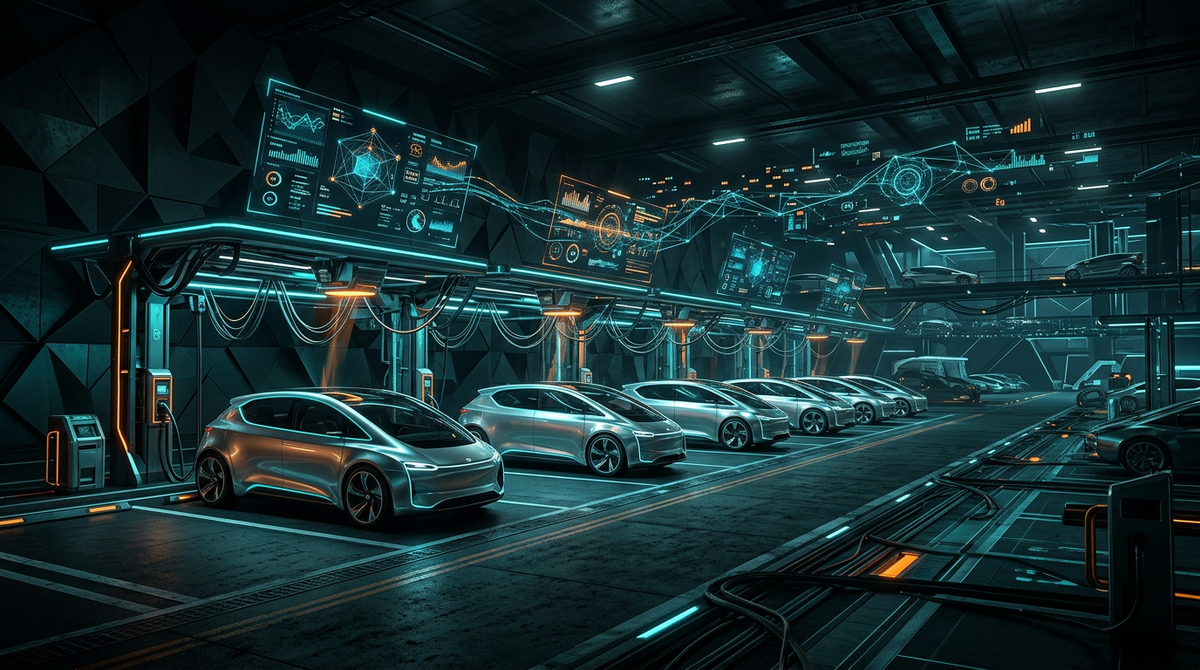
Tesla is signaling a significant shift in its go-to-market strategy for autonomous driving. The company recently published an inquiry form on its website specifically targeting those interested in 'Cybercab fleet vehicle purchasing.' This move suggests that rather than operating a purely centralized ride-hailing network, Tesla may allow third-party operators to buy and manage their own clusters of autonomous vehicles, effectively becoming local fleet managers within the broader Tesla network.
This approach highlights the power of the Software-Defined Vehicle (SDV). The Cybercab is designed to be a hardware platform that is entirely controlled and optimized through over-the-air updates and central AI orchestration. By offloading the physical management—such as cleaning, charging, and local maintenance—to independent fleet owners, Tesla can scale its autonomous footprint far more rapidly than if it owned every vehicle itself. However, this model also introduces new constraints; early reports indicate strict usage policies, such as prohibiting passengers under the age of 13, even when accompanied by an adult.
The move toward a decentralized fleet model mirrors the evolution of the software industry, where platforms provide the infrastructure while partners build the service layers. If successful, this could turn the Cybercab into the ultimate SDV commodity, where the value lies not just in the hardware, but in the sophisticated software stack that allows a private owner to turn a garage of vehicles into a profitable, autonomous business.
Source: TechCrunch