Tactile Intelligence: Why the Next Generation of Robots Needs to Feel
The humanoid robot worker is no longer science fiction. Innovations in tactile sensing and 'safe-to-touch' designs are bringing robots like Digit 5 into the human workforce.
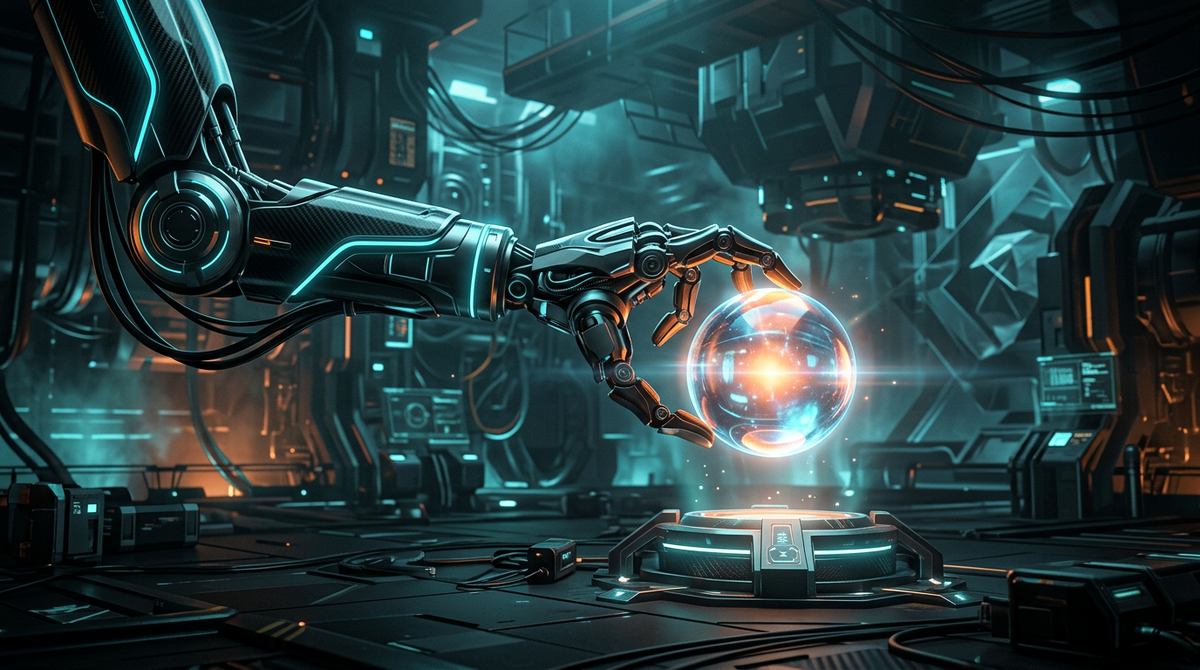
The robotics industry is currently experiencing a "2016-style" hype cycle, but with a critical difference: the hardware is finally catching up to the software. Leading the charge are humanoid robots designed for economically viable tasks. The unveiling of Digit 5 marks a turning point, as it may be the first humanoid worker that is truly safe to operate alongside humans in unstructured environments like warehouses and logistics centers.
A major bottleneck in robotics has long been dexterous manipulation—the ability to handle delicate or oddly shaped objects. New research into "tactile data" is changing this, as robots are literally learning to "feel" their surroundings. By integrating high-resolution pressure sensors and advanced AI models, robots can now distinguish between a heavy crate and a fragile package, adjusting their grip strength in real-time.
Furthermore, the "General Intuition" behind these machines is being trained on foundation models that allow them to navigate space and time with human-like fluidity. Whether it's a disaster-response robot tackling monkey bars or a logistics bot moving through a crowded floor, the focus has shifted from "can it do it?" to "can it do it safely and reliably?" With massive investments pouring into the sector—such as the $1.7 billion raised by Travis Kalanick’s company Atoms—the era of the pervasive, collaborative robot is officially here.
Source: IEEE Spectrum