Software-Defined Luxury: The Range Rover GT’s Digital Evolution
Range Rover’s new GT marks a significant step in the brand’s transition toward software-defined architectures. The fastback design hides a sophisticated digital backbone capable of continuous performance and luxury optimization.
Design Meets Digital Architecture
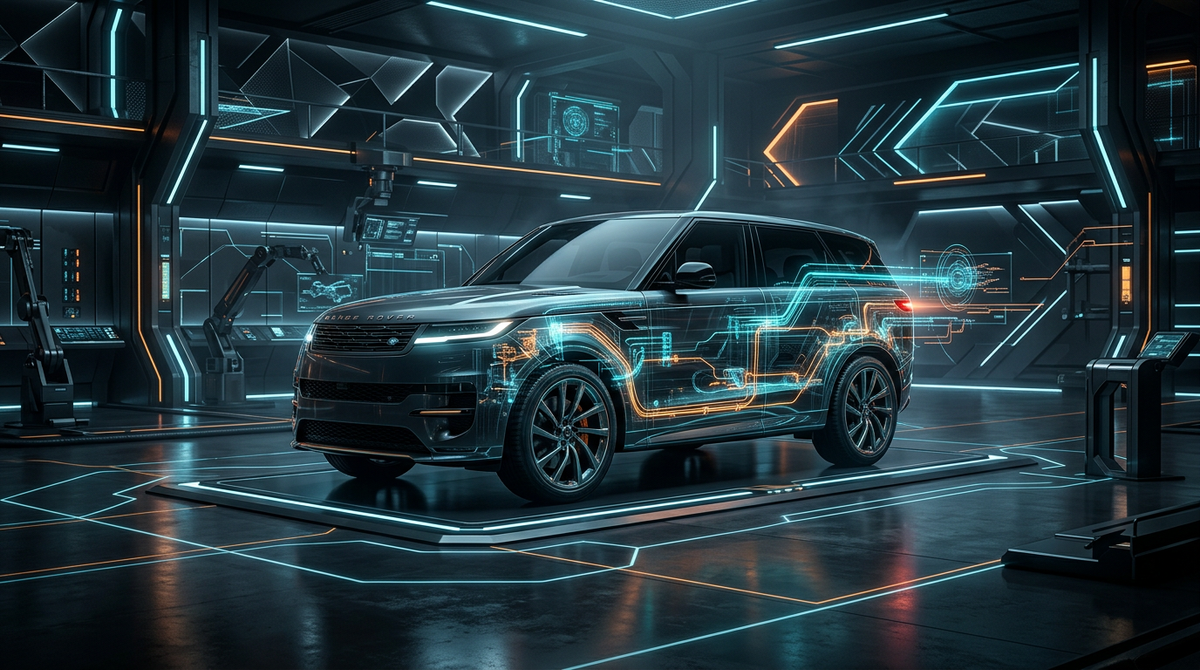
The unveiling of the Range Rover GT represents more than just a new aesthetic direction for the storied British marque; it is a manifestation of the Software-Defined Vehicle (SDV) era. While the fastback silhouette and sporty road presence capture the eye, the true innovation lies beneath the chassis. The GT is built on a next-generation electronic architecture designed to decouple hardware from software, allowing for over-the-air (OTA) updates that can alter everything from suspension tuning to battery management logic.
For luxury manufacturers, the SDV transition is vital for maintaining "digital prestige." Owners now expect their vehicles to improve over time, mirroring the lifecycle of high-end consumer electronics. The Range Rover GT utilizes a centralized compute unit that manages the vast array of sensors and actuators, reducing wiring complexity and weight—a critical factor for performance-oriented EVs.
This move toward software-centricity also allows for hyper-personalization. Through the vehicle's digital interface, drivers can download specific driving profiles or interior "mood" configurations that reconfigure the vehicle’s behavior in real-time. The Range Rover GT proves that in the future of luxury, the software is as much a part of the "trim level" as the leather on the seats.
Source: Electrek