Software-Defined Fleets: Harbinger’s $240M Bet on Modular Mobility
Harbinger’s recent $240M funding round highlights the growing demand for software-defined platforms in specialized fleets. Their modular approach allows for seamless integration of driverless tech and electric powertrains for both commercial and military use.
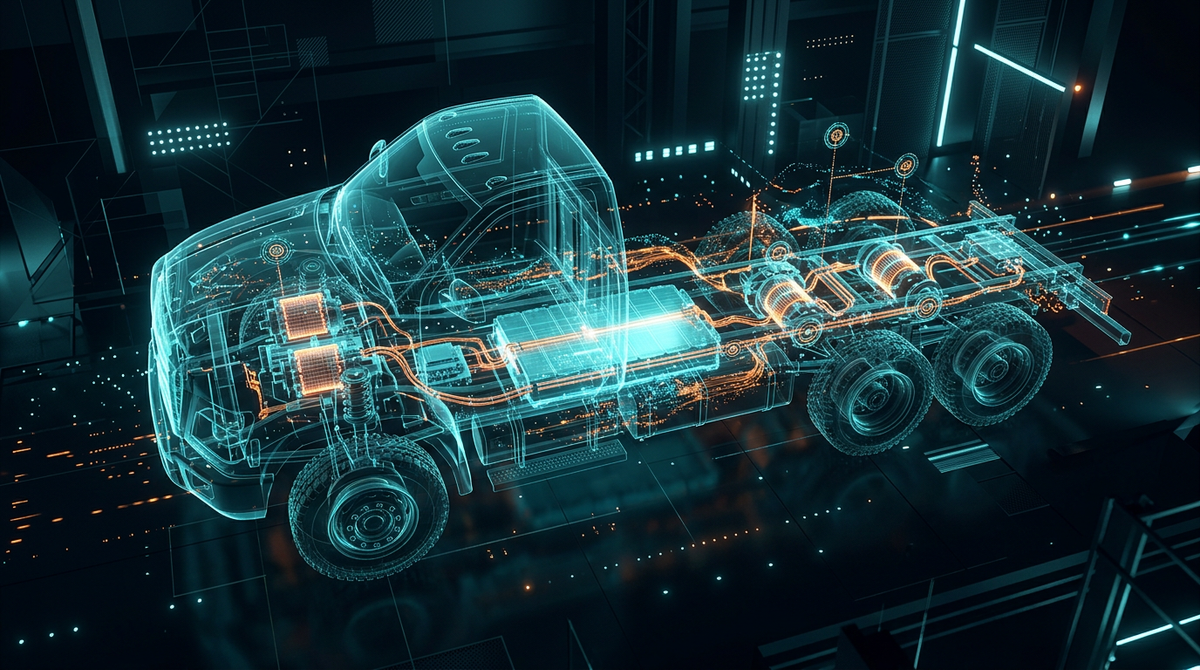
The concept of the Software-Defined Vehicle (SDV) is often discussed in the context of consumer cars, but its most transformative impact may be in the specialized fleet sector. Harbinger, a Los Angeles-based startup, recently secured $240 million to accelerate its vision of a unified, software-led vehicle platform. Having now raised over $650 million, the company is proving that the future of medium-duty trucking and military logistics lies in hardware that is subservient to its code.
Harbinger’s architecture is built from the ground up to be "software-first." Unlike traditional chassis that require extensive mechanical modification to host new technologies, Harbinger’s platform is designed to be modular. This allows for the rapid deployment of electric powertrains, advanced telematics, and, crucially, autonomous driving stacks. Whether the vehicle is an emergency response unit, a delivery van, or a military transport, the underlying software architecture remains consistent.
This move into the defense sector is particularly telling. The military’s demand for "driverless-ready" platforms aligns perfectly with the SDV philosophy. By decoupling the software from the specific physical form factor of the vehicle, Harbinger allows operators to update capabilities over-the-air, much like a smartphone. This reduces the total cost of ownership and ensures that fleets don't become obsolete as new AI and sensor technologies emerge. In the world of SDVs, the chassis is just a peripheral; the software is the product.
Source: TechCrunch