Red-Teaming the Road: How AI Agents Stress-Test Vehicle Software
The software-defined vehicle era requires a fundamental shift in how we validate safety. Laplace Intelligence is using AI 'red-teaming' agents to find edge cases in simulation before software hits the road.
In the world of Software-Defined Vehicles (SDVs), the code is the chassis. As vehicles become increasingly reliant on complex software stacks for everything from infotainment to safety-critical maneuvers, the traditional "test and fix" cycle is no longer sufficient. Laplace Intelligence, a spinout from the University of Michigan, is introducing a "red-teaming" approach to vehicle software validation.
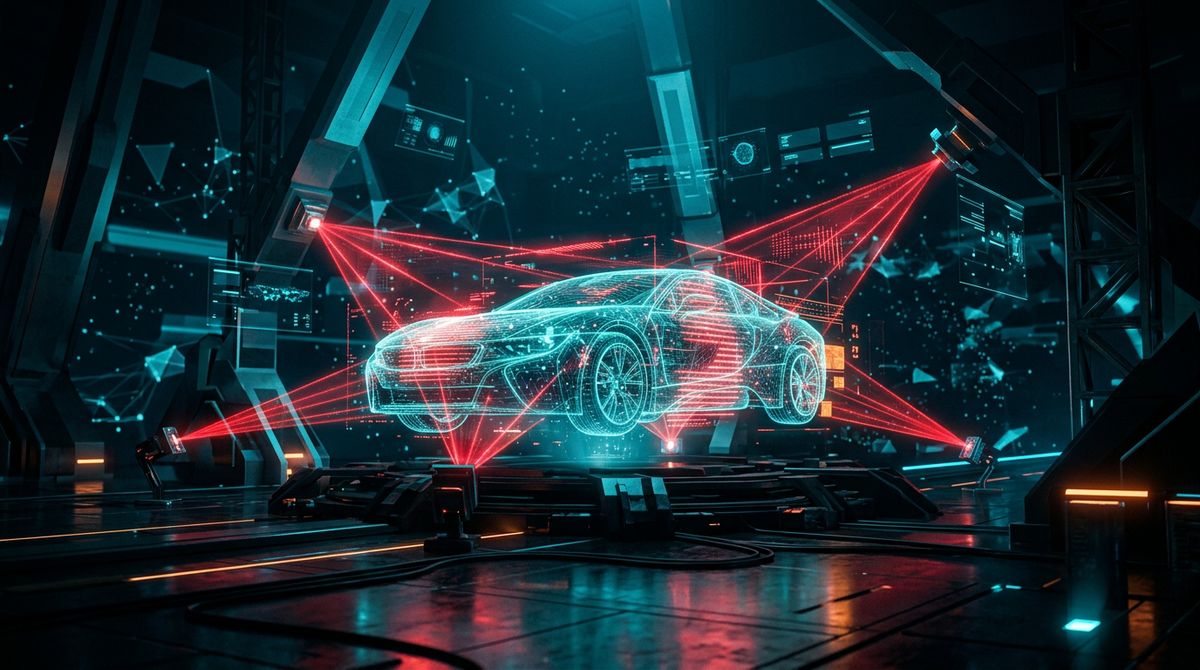
By utilizing AI agents within highly interactive simulations, Laplace stress-tests the software of autonomous and semi-autonomous vehicles. These agents act as "adversaries," intentionally creating difficult edge cases—such as erratic pedestrian behavior or rare weather events—to see how the vehicle's software responds. This proactive search for failure points is essential for SDVs, where a single software update can change the driving dynamics of an entire fleet overnight.
The goal is to ensure that the software is robust enough to handle the "long tail" of rare events that are impossible to capture in standard road testing. As manufacturers shift toward continuous integration and continuous deployment (CI/CD) pipelines for their fleets, integrated red-teaming platforms like Laplace’s will become a standard component of the SDV development lifecycle, ensuring that innovation doesn't come at the cost of public safety.
Source: TechCrunch