Red-Teaming the Road: Adversarial AI for Safer ADAS
Laplace Intelligence is utilizing AI agents and high-fidelity simulations to stress-test ADAS and autonomous systems before they reach public roads.
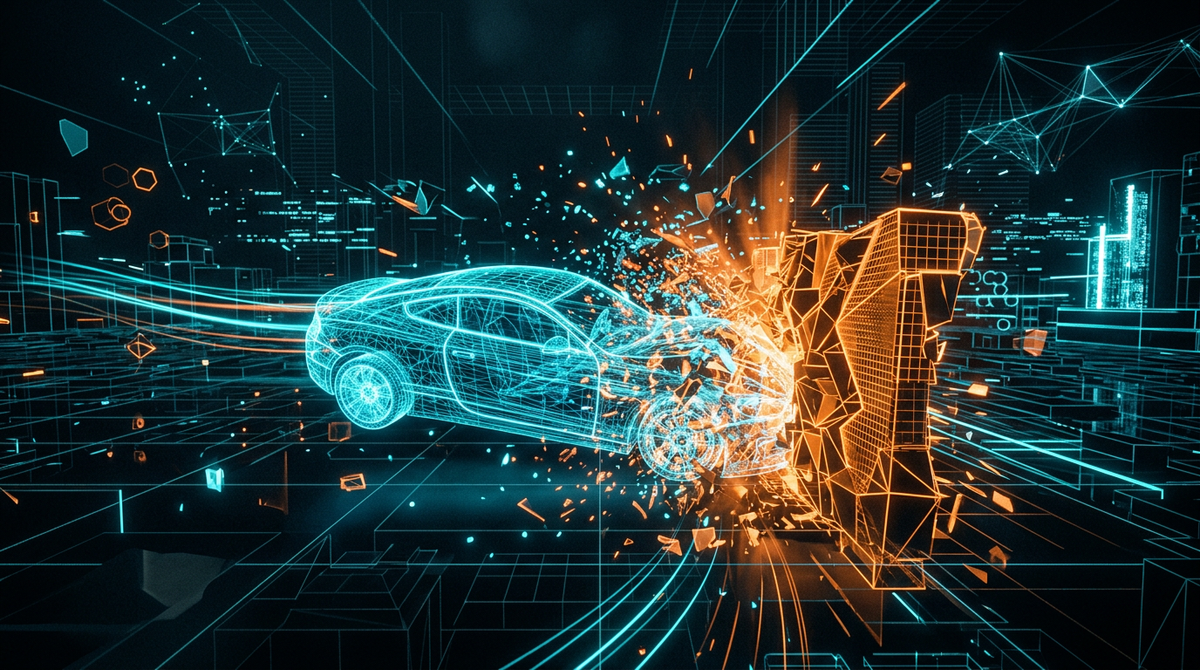
As Advanced Driver Assistance Systems (ADAS) become standard, the "long tail" of edge cases remains the biggest hurdle to full autonomy. Laplace Intelligence, a spinout from the University of Michigan, is tackling this by "red-teaming" robots and vehicles in virtual environments. By using AI agents to actively try and confuse or crash the autonomous system, Laplace identifies vulnerabilities that traditional testing might miss.
This proactive approach to safety is critical as regulators grow increasingly wary of "beta" software on public streets. Laplace’s platform creates interactive simulations where the "adversary" AI learns how to exploit the weaknesses of the ADAS being tested—such as specific lighting conditions, occluded pedestrians, or erratic human driving behavior. This creates a rigorous feedback loop that allows engineers to harden their software before a single wheel touches the pavement.
By shifting the testing burden to the virtual realm, manufacturers can achieve billions of miles of "stressful" driving in a fraction of the time. For the consumer, this means ADAS features that are more resilient to the unpredictable nature of real-world driving. Laplace's profitability and rapid growth suggest that "adversarial simulation" is becoming a mandatory step in the autonomous supply chain.
Source: TechCrunch