Red-Teaming the Road: Adversarial AI for Autonomous Safety
Laplace Intelligence is using AI agents and high-fidelity simulations to 'red-team' autonomous systems, ensuring safety before they reach public roads.
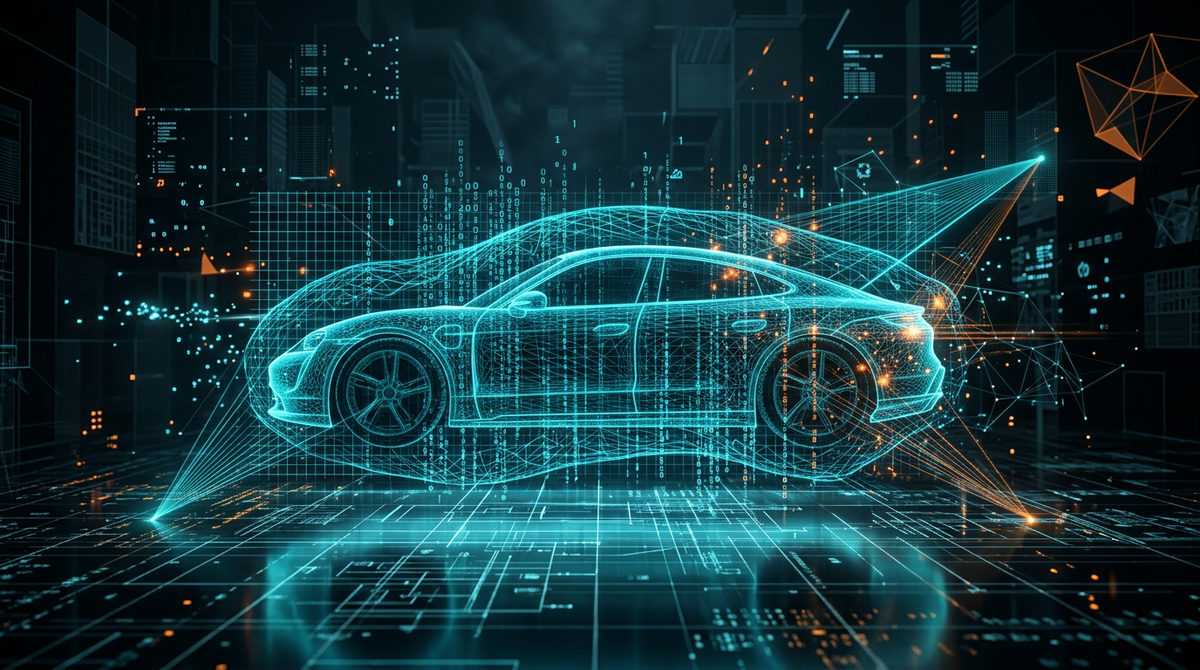
Before an autonomous vehicle or a warehouse robot is allowed to interact with the public, it must face a "red team." Laplace Intelligence, a spinout from the University of Michigan, has emerged as a key player in this safety-critical niche. The startup uses advanced AI agents to stress-test autonomous software in interactive simulations, hunting for edge cases that human developers might never anticipate.
Standard ADAS (Advanced Driver Assistance Systems) testing often relies on static scenarios. However, Laplace’s approach involves "adversarial" agents that act like unpredictable human drivers or pedestrians within a virtual world. These agents are programmed to find the specific weaknesses in a self-driving car's perception and decision-making logic. By simulating thousands of these high-stakes interactions, Laplace can verify the safety of a vehicle in days, rather than the months or years required for real-world road testing.
As regulatory scrutiny of autonomous vehicle operators increases—highlighted by new California laws fining operators for blocking emergency responders—the role of pre-deployment validation is becoming essential. Laplace Intelligence’s tech offers a "digital proving ground" where a robot can fail thousands of times in safety, ensuring that when it finally hits the pavement, it is prepared for the chaos of the real world. This "manufacturing-aware" simulation approach is becoming a standard requirement for the next generation of software-defined vehicles.
Source: TechCrunch