Red-Teaming Autonomous AI: Stress-Testing the Future of Road Safety
Laplace Intelligence is using AI agents to 'red-team' autonomous systems, identifying safety flaws before they reach the street. This stress-testing is becoming essential for the certification of ADAS and self-driving fleets.
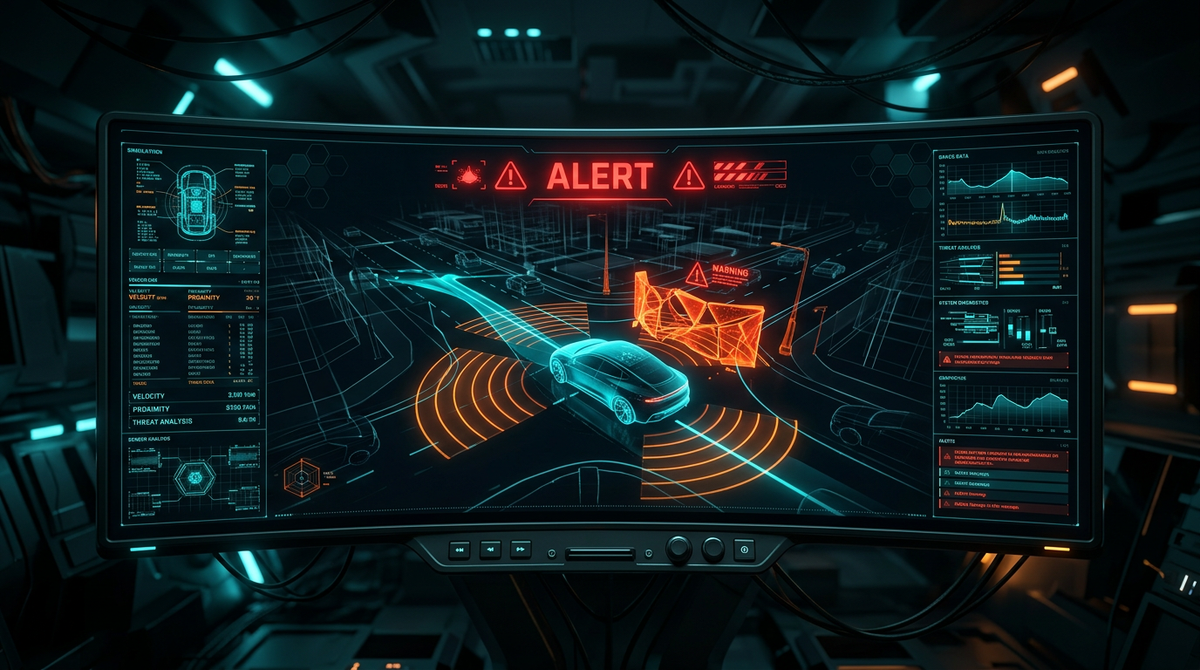
Safety is the primary barrier to the mass adoption of Advanced Driver Assistance Systems (ADAS) and fully autonomous driving. Laplace Intelligence, a spinout from the University of Michigan, is addressing this by "red-teaming" robots and self-driving cars. Using AI agents in highly interactive simulations, the company subjects autonomous stacks to thousands of edge-case scenarios that would be too dangerous or rare to test on public roads.
The goal of this stress-testing is to find the "breaking point" of ADAS software. Whether it's a sudden pedestrian dash, extreme weather, or sensor spoofing, Laplace’s AI agents actively try to trick the system into making a mistake. This adversarial approach allows engineers to patch vulnerabilities and refine sensor fusion algorithms long before the vehicle encounters these situations in the real world. As regulators tighten the rules on AV performance—evidenced by new fines for blocking emergency responders—rigorous simulation-based validation is becoming mandatory.
Laplace’s profitable model suggests that the industry is shifting away from purely miles-driven metrics toward "quality of intervention" metrics. By identifying how a system fails under pressure, developers can build more resilient ADAS features that better handle the unpredictability of human environments. This proactive safety layer is essential for building public trust and ensuring that the next generation of driver assistance tech is truly "accident-proof."
Source: TechCrunch