Re-Architecting Trust: The Core Challenge of Software-Defined Vehicles
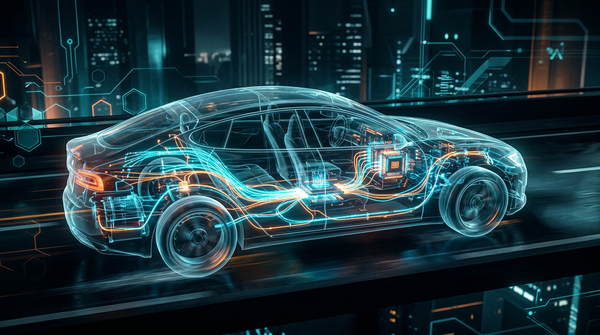
The shift toward software-defined vehicles (SDVs) requires a fundamental re-architecting of digital trust. As vehicles transition to centralized compute and over-the-air updates, the industry faces new cybersecurity challenges that demand 'Zero Trust' hardware architectures.
Beyond the Firewall: Securing the Nervous System of the SDV
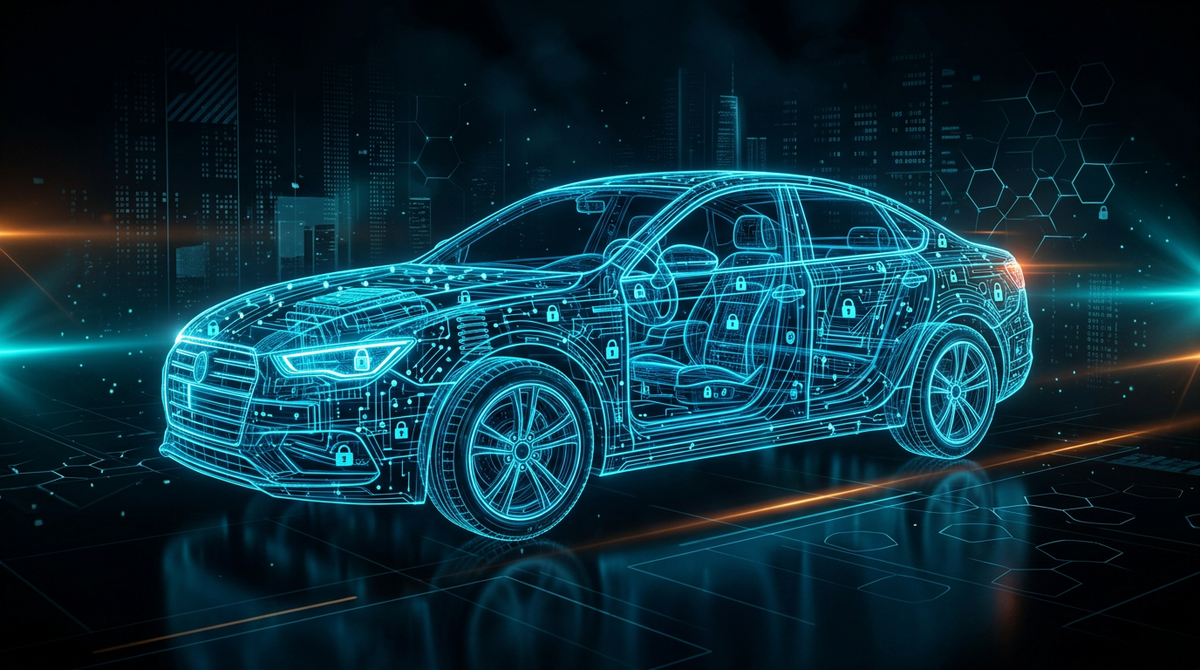
The modern vehicle is no longer a collection of isolated mechanical parts; it is a complex server on wheels. As the industry moves toward Software-Defined Vehicles (SDVs), the primary challenge has shifted from mechanical reliability to digital security. With centralized high-performance compute (HPC) platforms managing everything from the powertrain to the infotainment, a single vulnerability could theoretically grant an attacker control over the entire fleet.
Traditional automotive security relied on "perimeter defense"—the idea that the internal network (CAN bus) was safe if the gateway was locked. In the SDV era, this is no longer sufficient. Industry experts are now calling for a "Re-architecting of Trust" that implements Zero Trust principles at the silicon level. This means every software component, every OTA (Over-the-Air) update, and every sensor data packet must be continuously verified.
One of the most significant risks in the SDV ecosystem is the lifecycle of the vehicle. Unlike a smartphone that might be replaced every two years, a car is expected to remain on the road for over a decade. Maintaining the security of the software stack against evolving threats over that duration requires a modular approach where security protocols can be updated without disrupting the vehicle’s core safety functions.
Furthermore, the convergence of ADAS and cloud connectivity means the vehicle’s "digital twin" is constantly synced with external servers. Protecting this data fusion is paramount. The industry is moving toward Hardware Security Modules (HSMs) and Trusted Execution Environments (TEEs) that isolate critical driving functions from less-secure applications like third-party apps and media streaming. The SDV's success depends entirely on the consumer's ability to trust that the software controlling their car is unhackable.
Source: Semiconductor Engineering