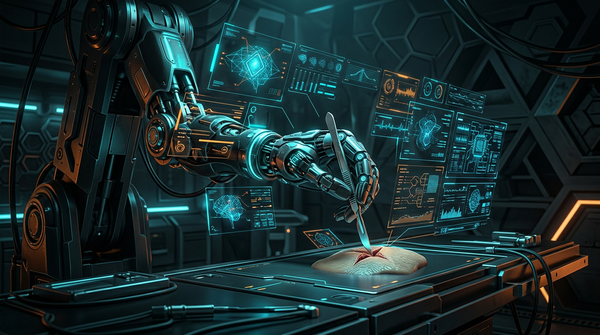
Precision in the Machine: How Simulation is Solving the Dexterity Gap
Recent breakthroughs in simulation technology are enabling robots to master high-precision manual tasks like gear alignment and cable connection. By rehearsing in virtual environments, these systems are bridging the gap between digital training and physical dexterity.
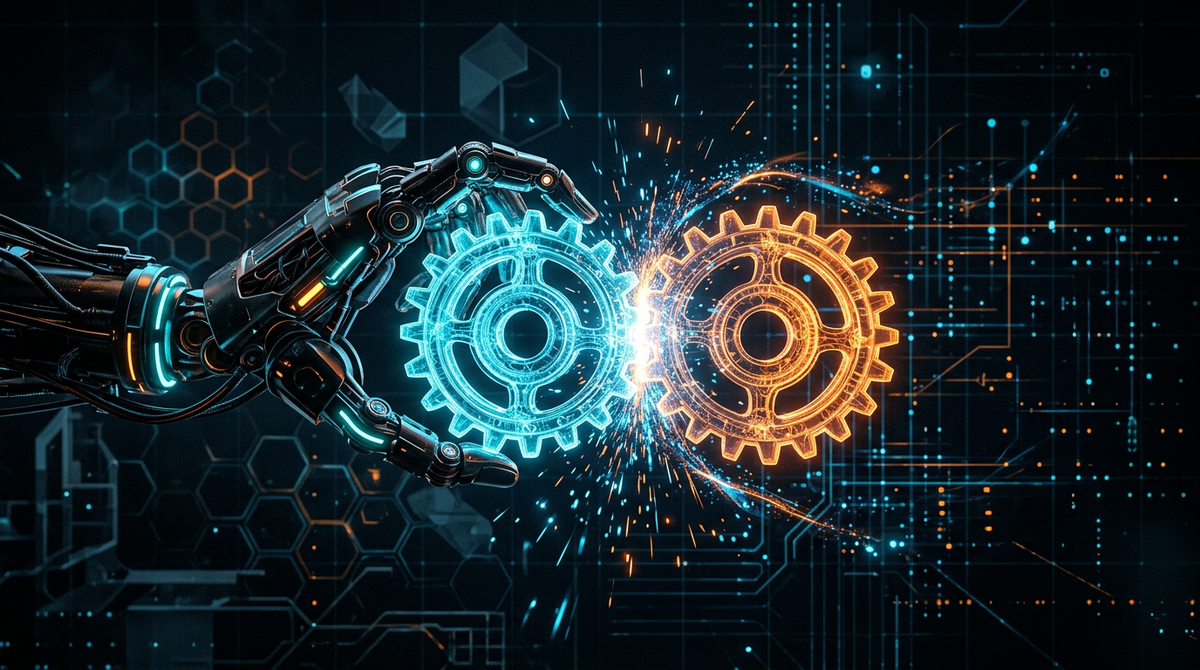
For years, the "Sim-to-Real" pipeline was primarily focused on gross motor skills—teaching robots how to navigate terrain, walk on four legs, or balance. However, a new frontier in Physical AI is emerging at the Conference on Robot Learning (CoRL), where researchers are demonstrating that simulation can now handle the "finer touch" required for industrial assembly. By utilizing advanced physics engines, robots are now rehearsing tasks such as aligning microscopic gears and threading complex cable harnesses in digital twins before ever touching a physical component.
This shift represents a fundamental change in how we perceive machine intelligence in the physical world. Rather than relying solely on human demonstration, which is slow and difficult to scale, Physical AI agents can now run millions of iterations in parallel within a simulated environment. This allows them to encounter and solve edge cases—such as a slippery connector or a resistant gear—that would take years to experience in a physical lab. The result is a more resilient and precise robotic workforce capable of handling the nuances of modern manufacturing.
The implications for sectors like electronics assembly and medical device manufacturing are profound. As simulation fidelity increases, the time required to deploy a new robotic task drops from months to days. We are moving toward a reality where the "brain" of a robot is fully formed in the cloud, ready to be downloaded into a chassis that possesses the immediate dexterity of a seasoned technician.
Source: NVIDIA Blog