NVIDIA’s $13B Hugging Face Bet: The Future of Local Intelligence
NVIDIA's $12.9 billion acquisition of Hugging Face marks a seismic shift in the AI landscape, moving frontier intelligence from the cloud to local RTX-powered hardware. This synergy aims to democratize advanced agentic workflows and local inference for developers worldwide.
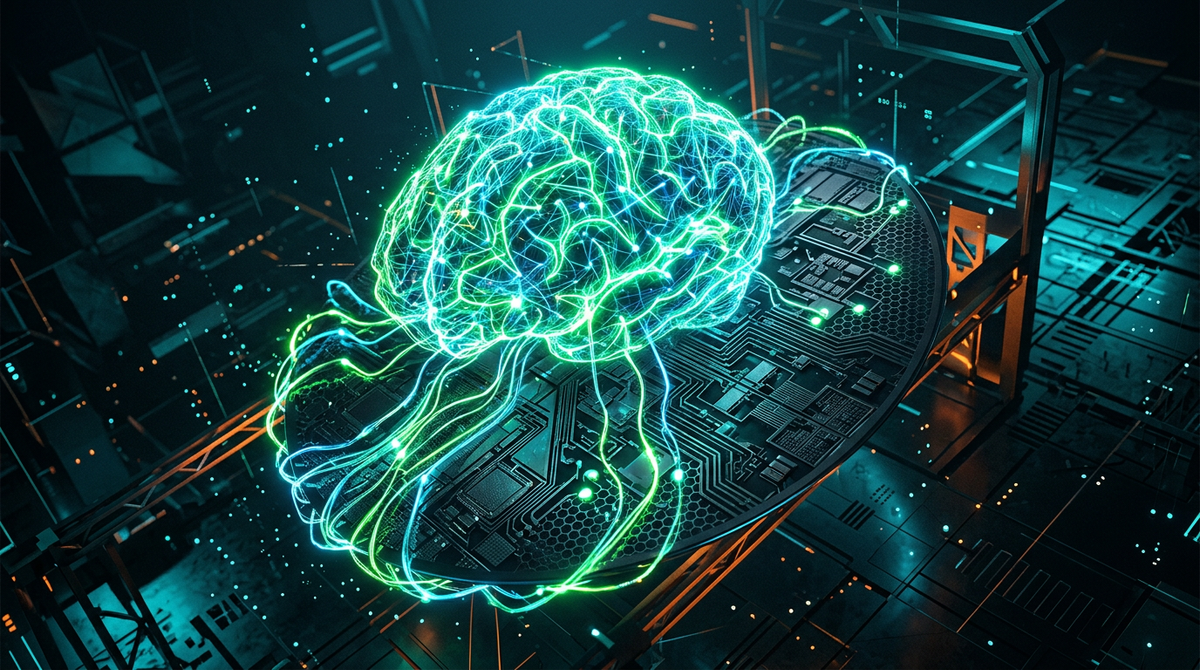
The landscape of artificial intelligence underwent a tectonic shift this week as NVIDIA announced its definitive agreement to acquire Hugging Face for $12.93 billion. This move represents more than just a consolidation of capital; it is a strategic merging of the world’s leading AI hardware ecosystem with the primary repository of open-source models and datasets. By integrating Hugging Face’s platform, NVIDIA is positioning itself to be the foundational layer for the next generation of "Physical AI"—intelligence that is increasingly processed locally and interacted with in real-time.
At the heart of this acquisition is the push toward local AI. During the recent IFA 2026 showcase, NVIDIA demonstrated how frontier intelligence is moving away from centralized data centers and onto local hardware. Through partnerships with Microsoft and various PC manufacturers, NVIDIA is leveraging its RTX GPU install base to facilitate faster local inference. The goal is to make AI agents easier to set up, more private, and significantly more responsive by removing the latency inherent in cloud-based processing.
For developers, the combination of NVIDIA’s hardware acceleration and Hugging Face’s library means that deploying sophisticated agents—capable of understanding and interacting with the physical world—becomes a turnkey solution. As we move toward a future where AI must interpret sensor data and act in physical space, the ability to run these heavy workloads at the "edge" (on a local machine rather than a distant server) is critical. This acquisition ensures that the tools needed to build Physical AI are accessible to the widest possible audience, potentially sparking a new era of decentralized innovation.
Source: NVIDIA Blog