NVIDIA Cosmos: Scaling the World Models Powering Physical AI
NVIDIA has expanded its Cosmos platform to provide developers with advanced tools for building world models. These systems allow physical AI to simulate and understand complex real-world environments before deployment.
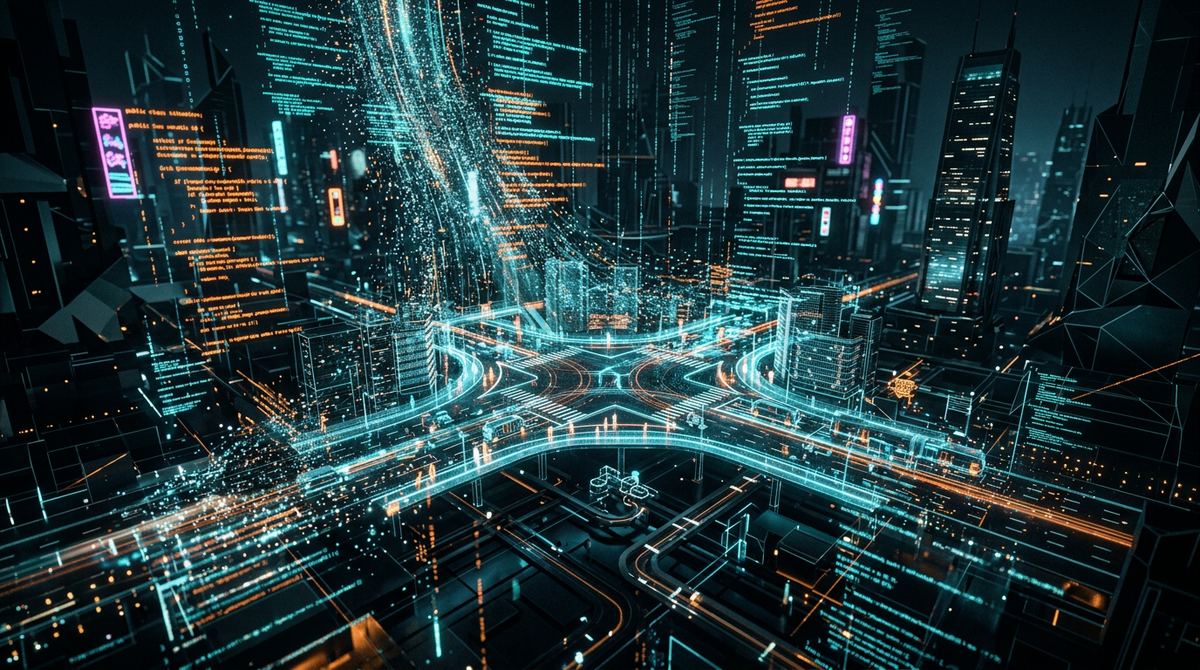
The quest for truly capable Physical AI—systems that can interact with the physical world with the same fluidity as humans—has long been stymied by the difficulty of training. NVIDIA is addressing this bottleneck with a significant expansion of its Cosmos platform. The new toolset is designed to help developers build, evaluate, and deploy "world models," which act as the internal physics engines for AI agents.
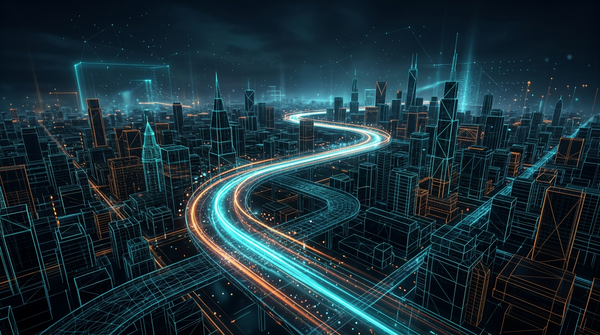
Unlike Large Language Models (LLMs) that predict the next token in a sentence, world models predict the next state of a physical environment. By utilizing new training tools and simulation checkpoints, developers can create high-fidelity digital twins where AI can undergo millions of hours of training in a fraction of the time. This "sim-to-real" pipeline is essential for robots and autonomous systems to handle unpredictable variables, such as lighting changes, friction, and dynamic obstacles.
The expansion of Cosmos highlights a shift in the industry toward foundational models for physics. As these models become more robust, the gap between digital simulation and physical reality continues to shrink, paving the way for AI that can navigate the messy, unscripted world we live in.
Source: NVIDIA Blog