NVIDIA Cosmos: Engineering the Neural Blueprint for Physical Reality
NVIDIA's expansion of the Cosmos platform provides developers with essential tools for building world models. These systems enable AI to simulate and predict physical interactions, bridging the gap between digital intelligence and real-world movement.
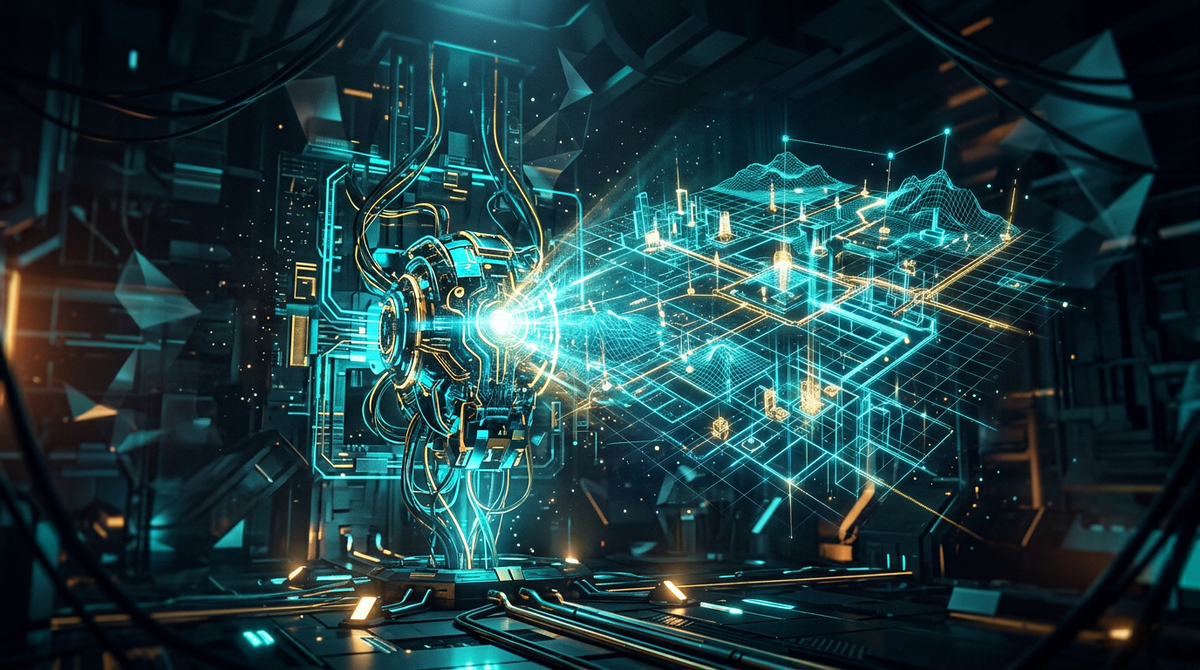
The quest for Artificial General Intelligence (AGI) is increasingly moving beyond the confines of text and image generation. NVIDIA is positioning itself at the center of this transition by expanding its Cosmos platform, a suite of tools designed to help developers build "world models." Unlike traditional LLMs, world models allow Physical AI systems to understand, predict, and simulate the physical laws of the environment they inhabit.
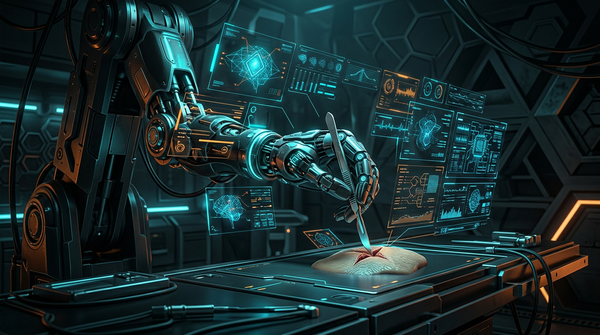
By providing new training tools, simulation checkpoints, and evaluation frameworks, NVIDIA is addressing a critical bottleneck in robotics and autonomous systems: the ability to foresee the consequences of physical actions. These world models act as a "digital twin" of reality, allowing AI agents to practice complex maneuvers in a high-fidelity simulated space before attempting them in the physical world. This reduces the risk of hardware damage and accelerates the learning curve for autonomous machines.
The expansion includes specialized tools for handling massive video datasets, which are essential for teaching AI about temporal consistency and spatial relationships. As developers integrate these Cosmos tools, we can expect a shift toward robots that don't just follow pre-programmed paths but truly understand the dynamics of the rooms, streets, and factories they navigate.
Source: NVIDIA Blog