Hypersonic Haste: Blackbeard Trials and Anduril’s Barracuda Reshape the Battlefield
The U.S. Navy is fast-tracking the 'Blackbeard' hypersonic missile for F/A-18 deployment, while Latvia adopts Anduril’s Barracuda to bolster NATO’s eastern flank.
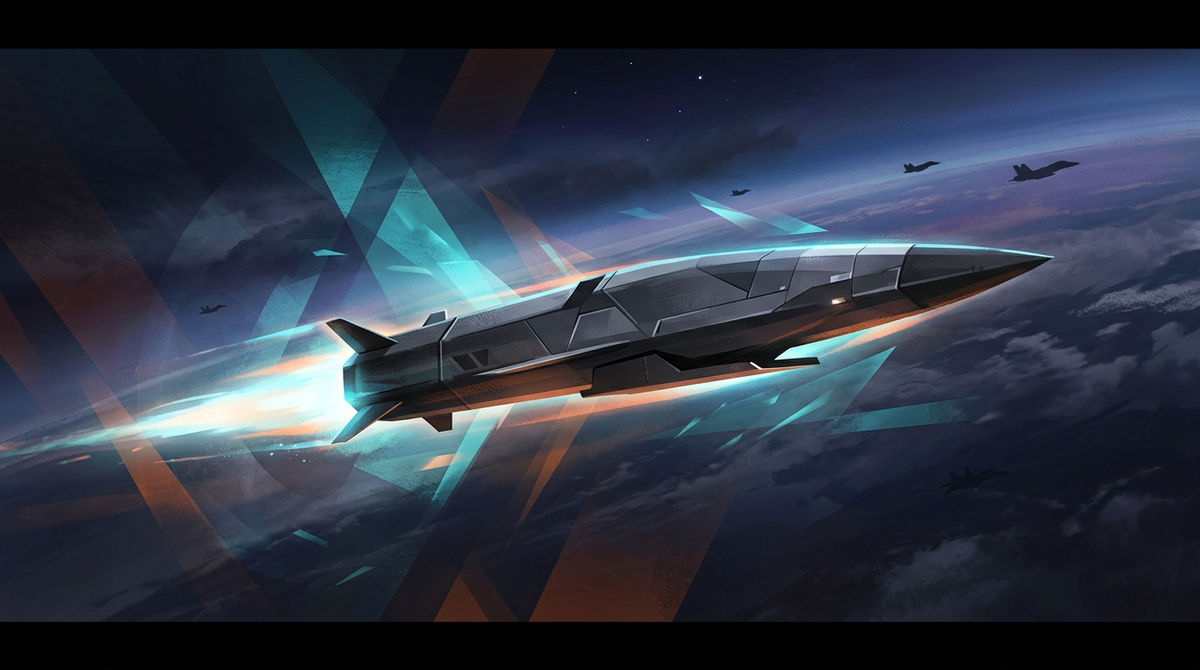
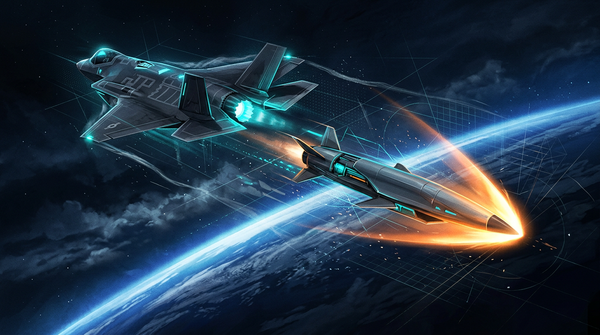
The landscape of modern warfare is being reshaped by high-speed, long-range strike capabilities. The U.S. Navy recently reached a milestone with its 'Blackbeard' hypersonic missile, seen flying on an F/A-18 Super Hornet for the first time. Blackbeard is designed to be a lower-cost, rapidly producible standoff weapon, intended to provide the Navy with a 'quantity' solution to counter advanced air defenses by 2028. Its development reflects a broader shift toward 'affordable mass' in hypersonic technology.
Meanwhile, on NATO’s eastern flank, Latvia has announced plans to order Anduril’s Barracuda cruise missiles. This move marks a significant escalation in the region's precision-fire capabilities. The Barracuda represents the 'Neo-Defense' philosophy: software-defined, modular, and optimized for mass production using commercial supply chains. For Latvia, these missiles provide a credible long-range deterrent in a highly contested environment.
These developments are occurring alongside the deployment of directed energy weapons. The Space Force is now deploying laser systems at Cape Canaveral to protect critical launch infrastructure from drone swarms. From hypersonic missiles to anti-drone lasers, the focus of defense tech has moved squarely into the realm of speed and autonomy. As military logistics also move toward AI-driven resilience in 'contested environments,' the integration of these high-tech systems will define the future of global security.
Source: The War Zone (TWZ)