Freight’s Autonomous Frontier: Aurora’s Path to 30,000 Driverless Trucks
Aurora's CFO defends the company's target of deploying 30,000 driverless trucks by 2030, arguing that the infrastructure for autonomous freight is scaling faster than skeptics believe. The company is betting on a 'driver-as-a-service' model to transform long-haul logistics.
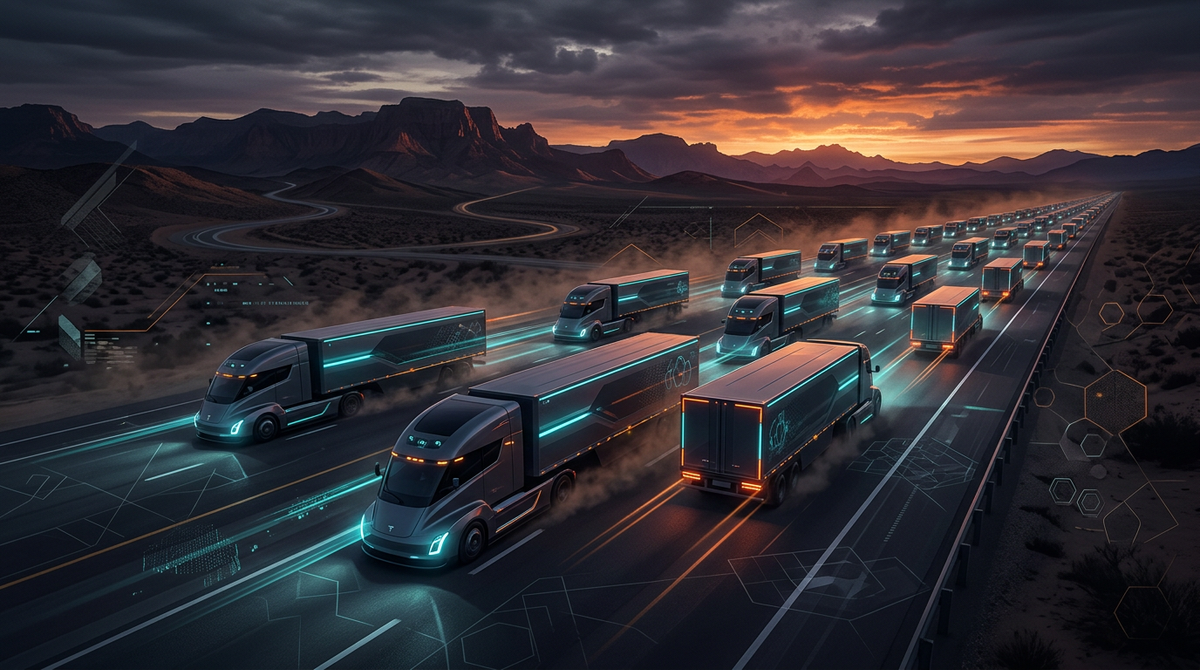
While the initial hype surrounding autonomous vehicles (AVs) saw a cooling period, the freight sector is proving to be the most viable path for large-scale commercialization. Aurora Innovation is doubling down on this premise, with CFO David Maday asserting that their goal of 30,000 autonomous trucks on the road by 2030 is a grounded projection rather than an aspirational dream. This bullish outlook comes at a time when the industry is shifting its focus from urban robotaxis to the more structured environment of interstate highways.
The economic incentive for autonomous trucking is clear: increased utilization, improved fuel efficiency, and a solution to the perennial driver shortage. Aurora’s strategy involves a "driver-as-a-service" model, where carriers subscribe to the Aurora Driver system. This removes the hardware burden from the carriers while allowing Aurora to scale its technology across diverse fleets. Maday highlights that the technological hurdles are being cleared, and the focus has now shifted to manufacturing partnerships and operational reliability.
However, scaling to 30,000 units requires more than just software. It necessitates a robust supply chain for automotive-grade sensors and a specialized service network for autonomous hardware. As Aurora prepares for its commercial launch, the industry is watching closely to see if the logistics sector will truly be the first to embrace a driverless future at scale. If successful, Aurora could redefine the backbone of global commerce, turning long-haul trucking into a high-uptime, software-managed utility.
Source: TechCrunch