Ending the ‘Lego Era’: New Benchmarks Propel Humanoid Robots Toward General Intelligence
Humanoid robotics is currently in its 'Lego era,' where the building blocks are ready but the ChatGPT moment remains elusive. New benchmarks like HiPHI are closing the data gap to help robots master high-precision movement.
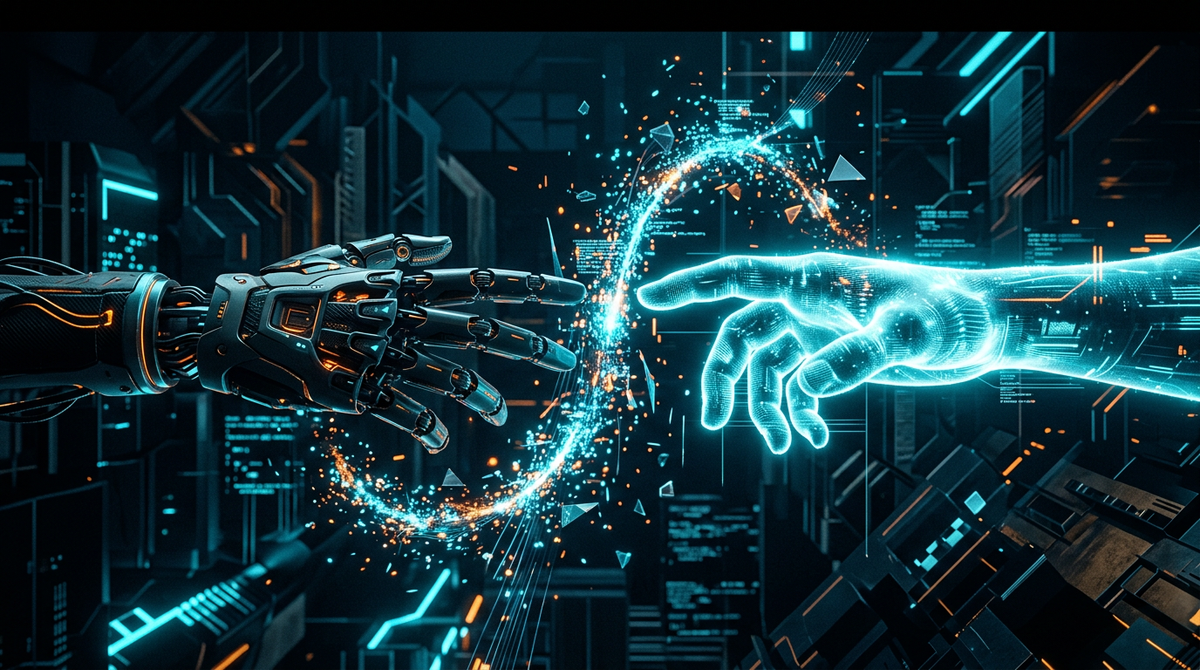
Robotics is standing on the precipice of a revolution, yet it has not quite reached the "ChatGPT moment" that transformed natural language processing. Experts describe the current state as the "Lego era"—a period where we have the necessary actuators, sensors, and compute, but lack the unified "brain" to coordinate them into generalized intelligence. One of the biggest hurdles is the lack of high-quality training data for physical interaction.
To solve this, researchers are developing new benchmarks like HiPHI (High-Precision Human Motion and Object Interaction). HiPHI is a large-scale motion capture dataset designed to close the data gap that currently limits humanoid robot learning. By providing precise data on how humans manipulate objects and navigate environments, these benchmarks allow roboticists to train policies that are more fluid and adaptable.
The transition from specialized industrial robots to generalized humanoid assistants requires a move away from rigid programming toward learning from demonstration. As these datasets grow, robots will move beyond performing single tasks in controlled environments to understanding the nuances of the physical world. The Lego era is coming to a close; the pieces are being connected, and the result will be a new generation of robots that can learn at the speed of AI.
Source: IEEE Spectrum / TechCrunch