Digital Twins: How Volvo is Virtualizing the Software-Defined Vehicle Stack
Volvo Cars is utilizing cloud-based digital twins to validate vehicle software long before physical prototypes are built, accelerating the shift toward software-defined architectures.
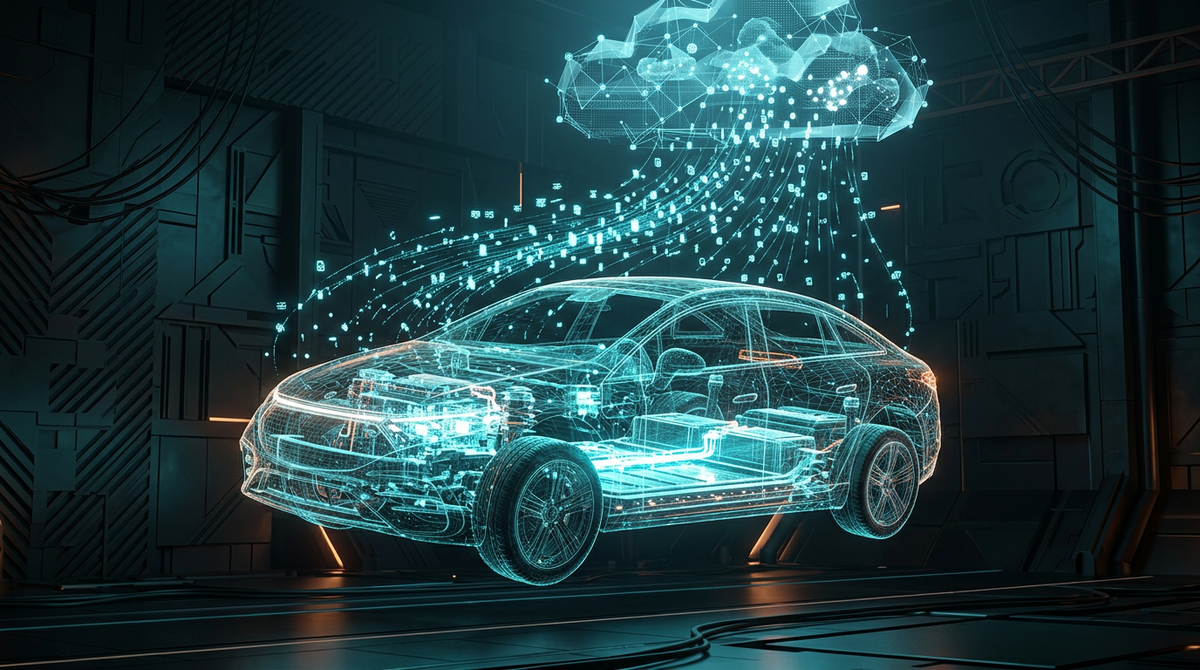
In the transition to Software-Defined Vehicles (SDVs), the bottleneck has often been the availability of physical hardware for testing. Volvo Cars is circumventing this by implementing full vehicle integration testing via cloud-based electronics digital twins. This methodology allows engineers to mirror the production hardware environment in a virtual space, enabling the validation of complex software stacks months, or even years, before a car ever touches the road.
Digital twins in this context go beyond simple simulation; they replicate the exact electronic control unit (ECU) behaviors and communication protocols of the vehicle’s architecture. This allows for rigorous testing of everything from infotainment updates to safety-critical powertrain logic. By moving testing to the cloud, Volvo can run thousands of parallel simulations, identifying bugs and integration issues that would be impossible to catch using limited physical test rigs.
This "shift-left" approach to development is essential for modern automotive engineering. As vehicles become increasingly complex computers on wheels, the ability to decouple software development from hardware cycles is the only way to meet the rapid update cadences expected by today’s consumers. Volvo’s digital twin strategy serves as a blueprint for the industry’s digital transformation.
Source: Semiconductor Engineering