Combat Synapse: How AI is Rewiring Modern Battlefield Rescues
Military leaders are emphasizing the critical role of AI in combat operations, citing recent rescues as proof. AI-enabled networks are becoming essential for managing unmanned systems across vast distances.
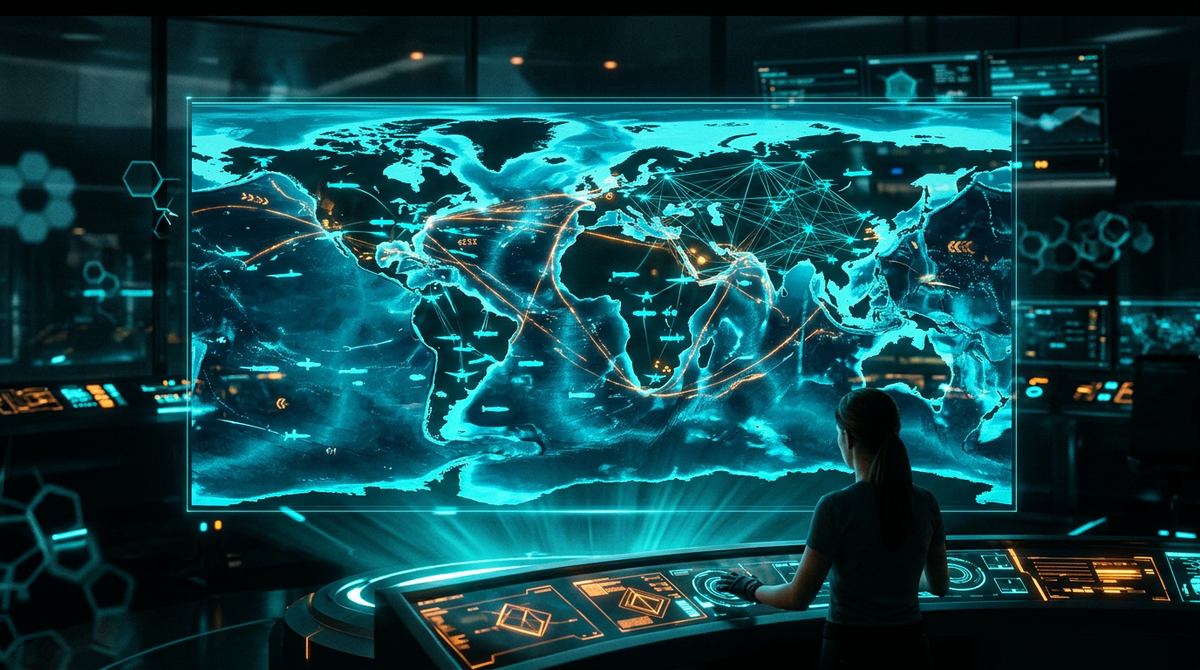
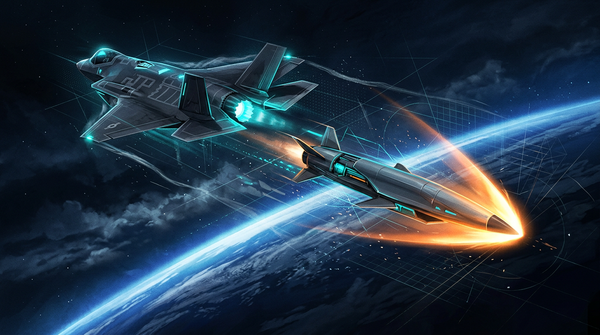
General C.Q. Brown, Chairman of the Joint Chiefs of Staff, recently highlighted a successful Apache crew rescue to underscore a broader strategic imperative: the integration of AI into every facet of combat operations. The rescue, which relied on AI-enabled networks to coordinate unmanned systems over thousands of miles, serves as a blueprint for the future of warfare.
The Joint Chiefs Chairman argued that the complexity of modern battlefields—particularly in maritime environments like the Indo-Pacific—requires a level of data synthesis that human operators cannot achieve alone. AI is no longer a peripheral tool; it is the glue that binds disparate assets, from drones to satellite communications, into a cohesive fighting force. By automating the management of these networks, the military can react with a speed that was previously impossible.
This push for AI is part of a larger transformation within the Pentagon. The "Maven" program is reportedly becoming the Department of Defense’s "everything app," consolidating data from various systems into a single, AI-powered interface. As the military moves toward this integrated future, the goal is clear: to maintain a competitive edge through superior information processing and autonomous coordination.
Source: The Drive (TWZ)