BYD Tang EV: The New Benchmark for the Software-Defined Cabin
BYD’s new Tang EV flagship SUV showcases the future of software-defined cabins, featuring 690 horsepower and a dual 30-inch screen array.
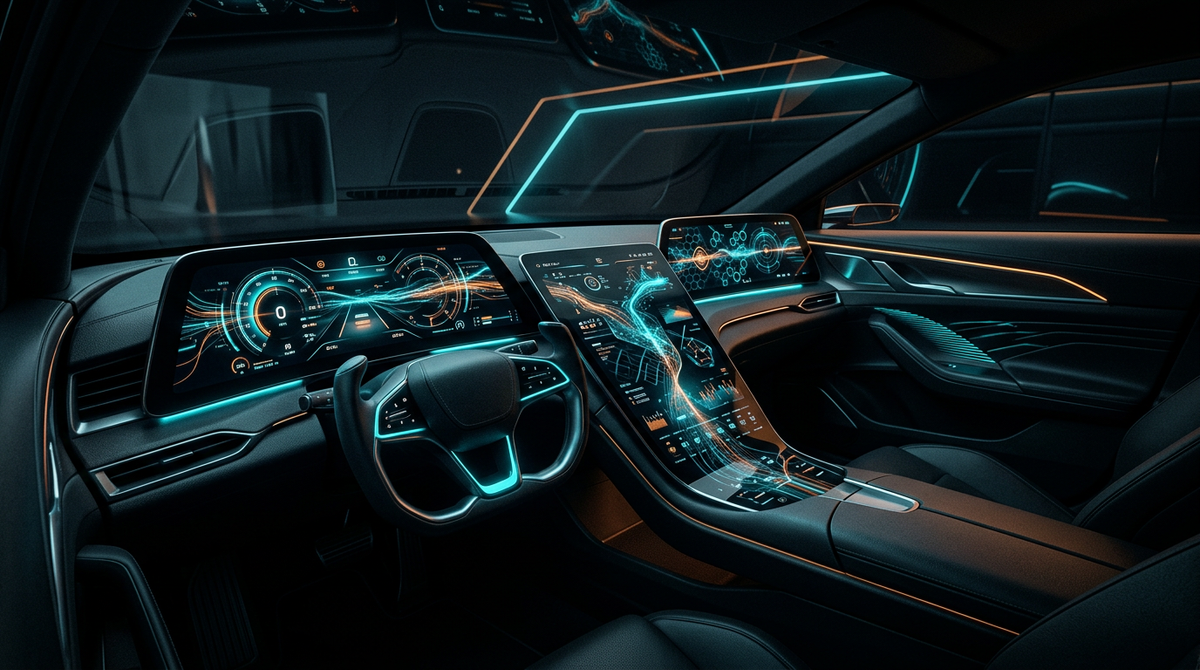
The transition to Software-Defined Vehicles (SDVs) is nowhere more apparent than in the latest regulatory filings for BYD’s refreshed Tang EV. While the mechanical specs are impressive—boasting 690 horsepower and dual electric motors—the real innovation lies in the digital architecture. The interior is dominated by dual 30-inch screens that serve as the central nervous system for the vehicle’s user experience, signaling a shift where software determines the car's value over its lifetime.
This "tech-savvy" flagship is designed to be a living platform. By centralizing control of the drivetrain, infotainment, and comfort features into a unified software stack, BYD is moving toward a model where performance upgrades and new features are delivered via over-the-air (OTA) updates. This reduces hardware complexity while increasing the vehicle's capability to evolve alongside consumer electronics.
The dual-screen setup isn't just for show; it reflects the increasing demand for high-compute environments within the cabin. As vehicles become "smartphones on wheels," the ability to manage massive data throughput between sensors and displays becomes the primary engineering challenge. BYD’s aggressive push into high-end SDV territory poses a direct threat to legacy manufacturers still struggling to integrate deep software verticality.
Source: Electrek