Bridging the Reality Gap: NVIDIA Cosmos Tools for Physical AI World Models
NVIDIA expands its Cosmos platform with new training tools and simulation checkpoints to help developers build world models. These models enable physical AI systems to understand and simulate complex real-world environments before physical deployment.
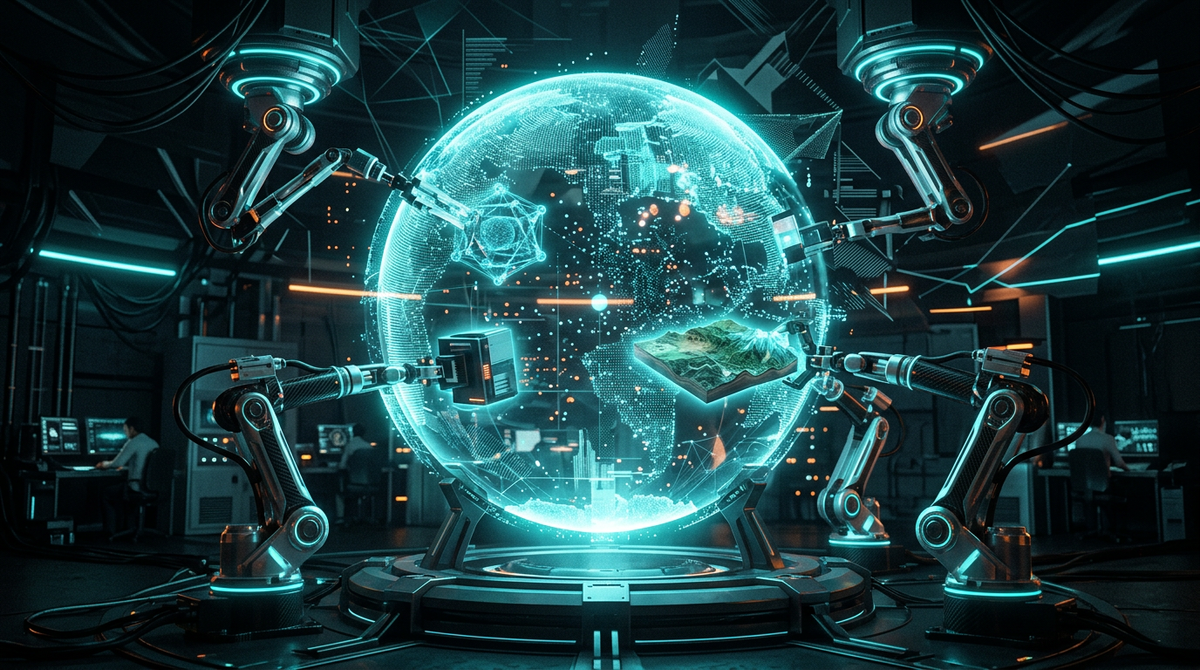
The bridge between digital intelligence and physical action is narrowing as NVIDIA expands its Cosmos platform. The new toolset is designed specifically for the development of "world models"—AI systems that don't just process text or images, but understand the laws of physics, spatial relationships, and temporal continuity. This is a critical prerequisite for Physical AI, where robots and autonomous systems must predict the consequences of their actions in a messy, unpredictable world.
By providing specialized training tools and simulation checkpoints, NVIDIA is offering developers a shortcut to creating foundational models that can hallucinate realistic physical scenarios. This allows AI agents to "practice" in a simulated environment that adheres to real-world constraints, significantly reducing the risks and costs associated with real-world testing. The expansion of the Cosmos platform signals a shift from general-purpose AI toward domain-specific intelligence that can interact with the tangible world.
As these world models become more sophisticated, we can expect to see a surge in the capabilities of everything from industrial manipulators to autonomous delivery drones. The ability to simulate the "what if" scenarios of physical interaction is the next frontier in making AI truly useful outside of a data center.
Source: NVIDIA Blog