Beyond Programming: Skild AI Uses Video to Teach Robots Real-World Tasks
Skild AI is leveraging NVIDIA's foundation models to create robots that can learn complex industrial tasks from a single video. This shift toward 'General Purpose' Physical AI allows machines to adapt to fluid environments like warehouses and production lines without manual reprogramming.
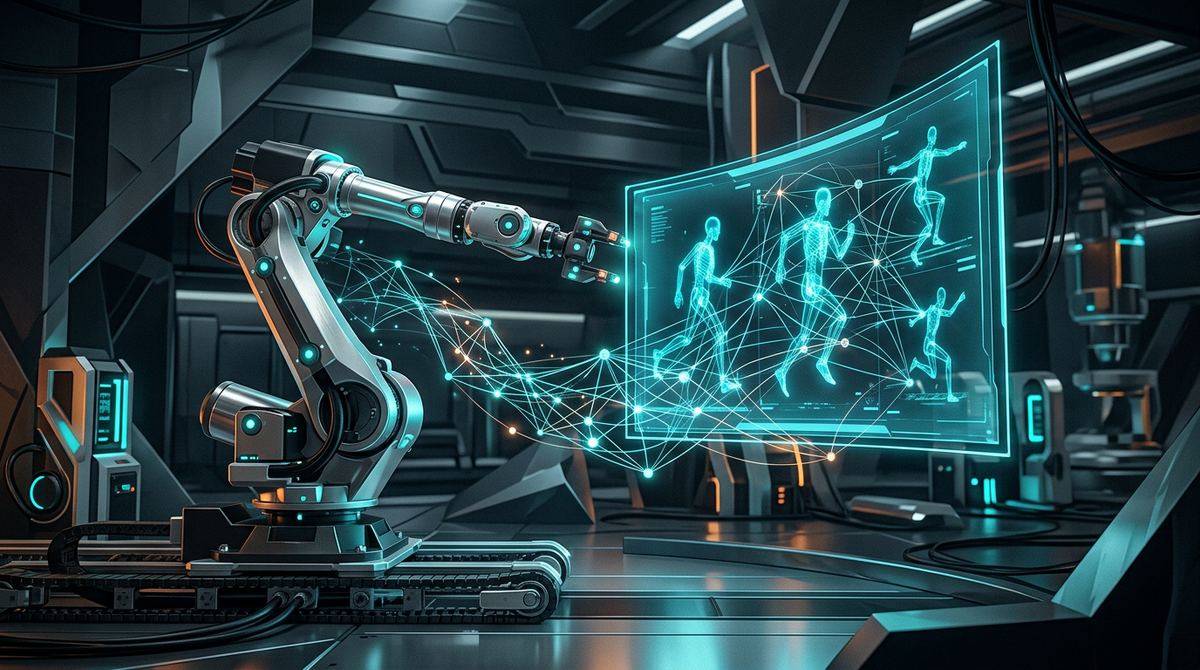
The traditional paradigm of industrial robotics—where a machine is painstakingly programmed to perform a single, repetitive task in a controlled environment—is being dismantled. Skild AI, in partnership with NVIDIA, is pioneering a new era of Physical AI by enabling robots to acquire new skills through observation rather than code. By utilizing the Skild AI S1 model, these systems can watch a single video of a human or another robot performing a task and immediately begin to emulate the movement and logic required to complete it.
This breakthrough addresses the primary bottleneck in automation: adaptability. Modern logistics centers and manufacturing floors are no longer static; layouts shift, and product SKUs change daily. Skild’s approach utilizes "General Purpose" foundation models that understand the physics of the real world. By training on massive datasets of diverse physical interactions, these robots develop a generalized understanding of manipulation and navigation.
The integration with NVIDIA’s Isaac platform provides the necessary compute density to process these vision-to-action loops in real-time. As robots move from being "programmed" to being "taught," the speed at which automation can be deployed across the global supply chain is set to accelerate exponentially. This represents a fundamental shift from narrow AI to a more embodied, versatile intelligence capable of handling the unpredictability of the physical world.
Source: NVIDIA Blog