Beyond LLMs: How Cosmos 3 Gives Physical AI a Sense of the Real World
NVIDIA's latest foundation model, Cosmos, signifies a leap toward machines that perceive the world's physical laws. By integrating advanced reasoning, Physical AI can now 'think' through complex spatial interactions before executing movements.
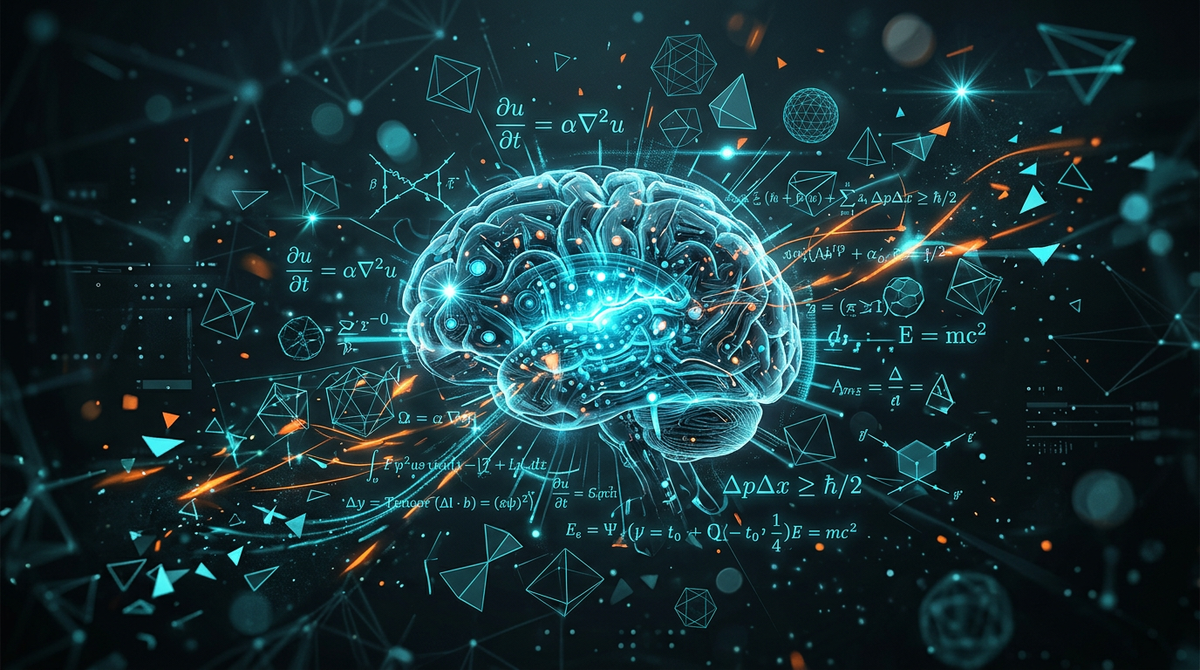
The transition from digital-first AI to Physical AI represents the next great frontier in engineering. While large language models have mastered the nuances of human text, Physical AI models like NVIDIA’s Cosmos 3 are designed to master the nuances of the physical world. This 'world foundation model' is engineered to provide robots and autonomous systems with a pre-existing understanding of gravity, friction, and spatial geometry.
According to recent development benchmarks, Cosmos 3 enables Physical AI to simulate potential outcomes before acting. This cognitive layering—often called 'thinking before acting'—is critical for safety-critical environments where a robot cannot afford to learn exclusively through trial and error. By utilizing a massive corpus of physical interaction data, the model allows autonomous agents to navigate open-world environments that were previously too unpredictable for traditional programming.
For developers, this means a shift away from hard-coded heuristics toward a more generalized intelligence. Whether it is a robotic arm in a warehouse or a drone navigating a forest, the goal is a system that understands the 'why' behind its movements. This evolution is set to unlock new levels of dexterity and adaptability, moving us closer to the vision of truly autonomous machines capable of operating alongside humans in any setting.
Source: NVIDIA Blog