Beyond Dexterity: Why Atlas’s New Hand Focuses on Industrial Durability
Boston Dynamics has unveiled a new, robust hand for the Atlas robot, moving away from experimental designs toward industrial-scale durability. This marks a turning point for humanoid utility in real-world environments.
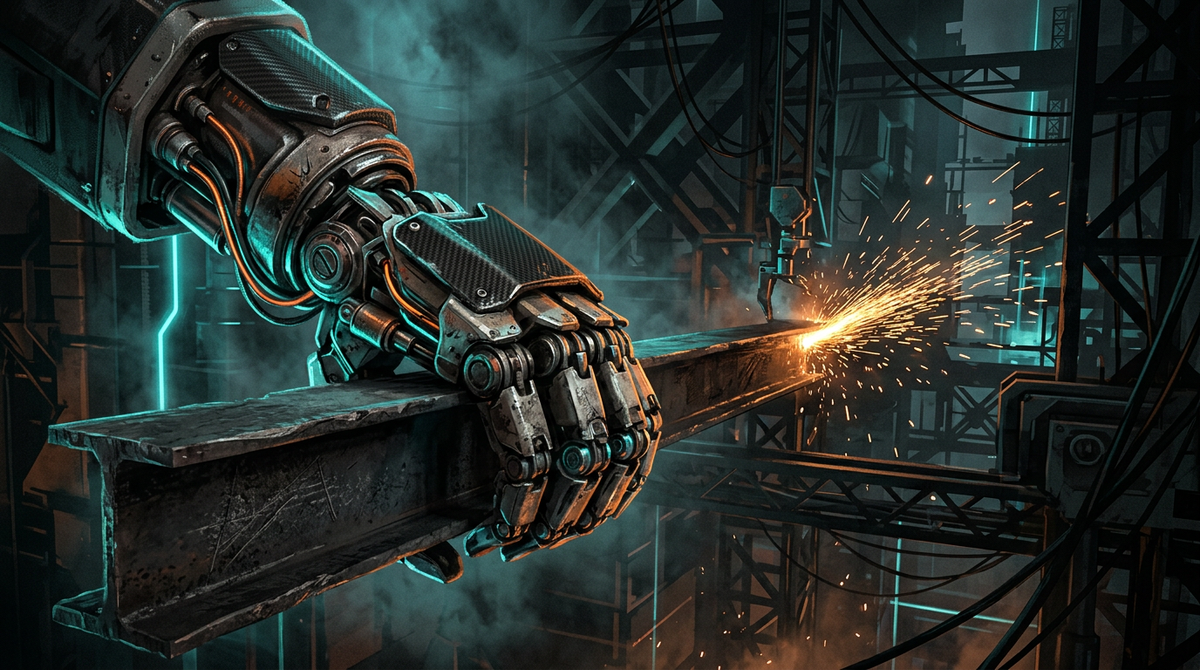
Humanoid robotics has long struggled with the "end-effector" problem: how do you create a hand that is as versatile as a human’s but durable enough for industrial work? Boston Dynamics’ latest update to its Atlas robot provides an answer. The new hand design moves away from the complex, fragile three-fingered prototype toward a more robust, mass-producible architecture designed for high-impact tasks.
The previous generation of Atlas hands was a marvel of engineering, capable of performing backflips and handling delicate objects. However, for robots to move from the lab to the warehouse, they need hands that can withstand thousands of cycles of gripping, pulling, and occasional collisions without requiring constant maintenance. This new hand emphasizes "robustness"—using tougher materials and simplified mechanics that provide high torque and reliable grip without the vulnerability of overly complex joints.
This shift reflects a broader trend in the robotics industry: the move from "can it do this?" to "can it do this 10,000 times a day?" By focusing on durability and manufacturability, Boston Dynamics is signaling that Atlas is no longer just a research platform; it is becoming a viable tool for labor. As these robots begin to enter the workforce, the mechanical reliability of their extremities will be the deciding factor in their return on investment.
Source: IEEE Spectrum