Beyond Collision Avoidance: Zoox Grounding Highlights Cabin Safety Risks
Zoox has grounded its Atlanta test fleet following reports of toxic gas exposure among workers. The incident raises critical safety questions regarding the environmental sensing and cabin safety of autonomous test platforms.
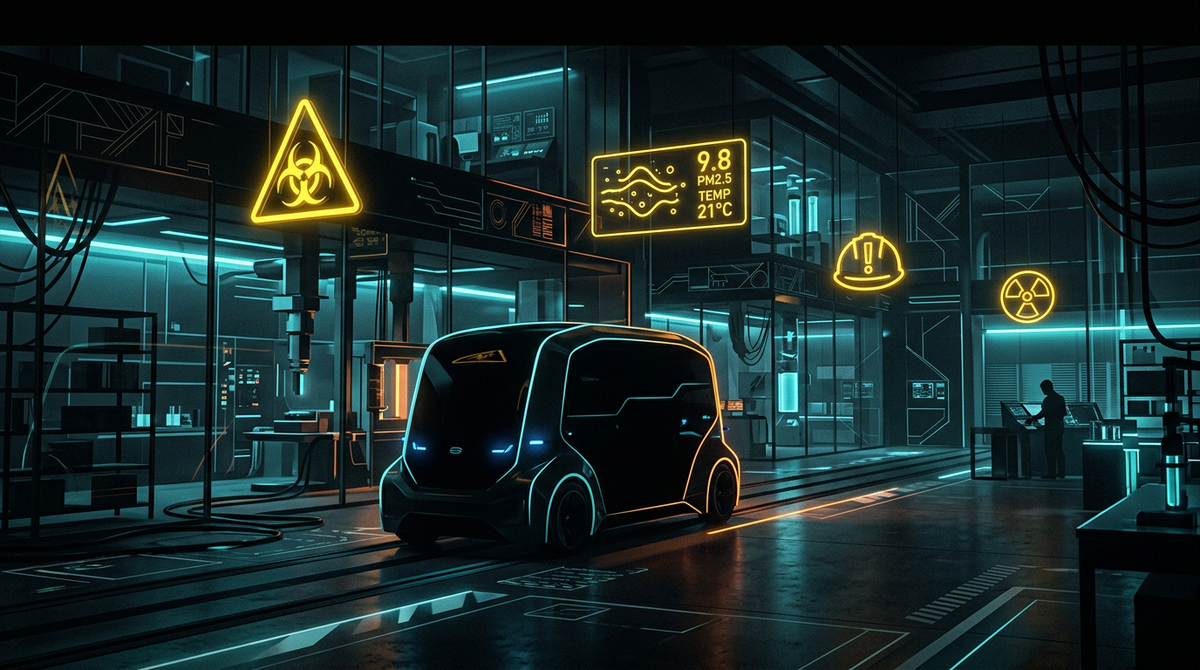
Safety in the autonomous vehicle industry typically revolves around collision avoidance and pedestrian detection. However, a recent incident involving Amazon-owned Zoox has shifted the focus to a different kind of safety: the internal environment of the vehicle itself. Zoox recently grounded its entire test fleet in Atlanta after several employees reported symptoms consistent with toxic gas exposure, leading to an OSHA inquiry.
While the exact source of the exposure is still under investigation, the incident highlights a critical gap in current ADAS and autonomous testing protocols. As vehicles become more sealed and packed with high-power computing equipment, managing internal air quality and monitoring for chemical leaks from batteries or specialized cooling systems becomes a vital safety requirement. This "internal ADAS" is just as crucial as the external sensors that prevent crashes.
The grounding of the fleet serves as a sobering reminder that the path to full autonomy involves more than just perfecting driving algorithms; it requires a holistic approach to vehicle safety that includes the well-being of the human operators and technicians who are essential to the testing phase. As Zoox works to identify the cause—ranging from potential battery off-gassing to faulty HVAC components—the broader industry is being forced to reconsider how they monitor the "health" of the vehicle cabin in real-time.
Source: TechCrunch