Aurora’s Road to 30,000: The Industrialization of Autonomous Trucking
Aurora's CFO clarifies that their goal of 30,000 driverless trucks by 2030 is a calculated industrial plan, not a marketing gimmick. The company is focusing on scale through specialized autonomous hardware and logistical partnerships.
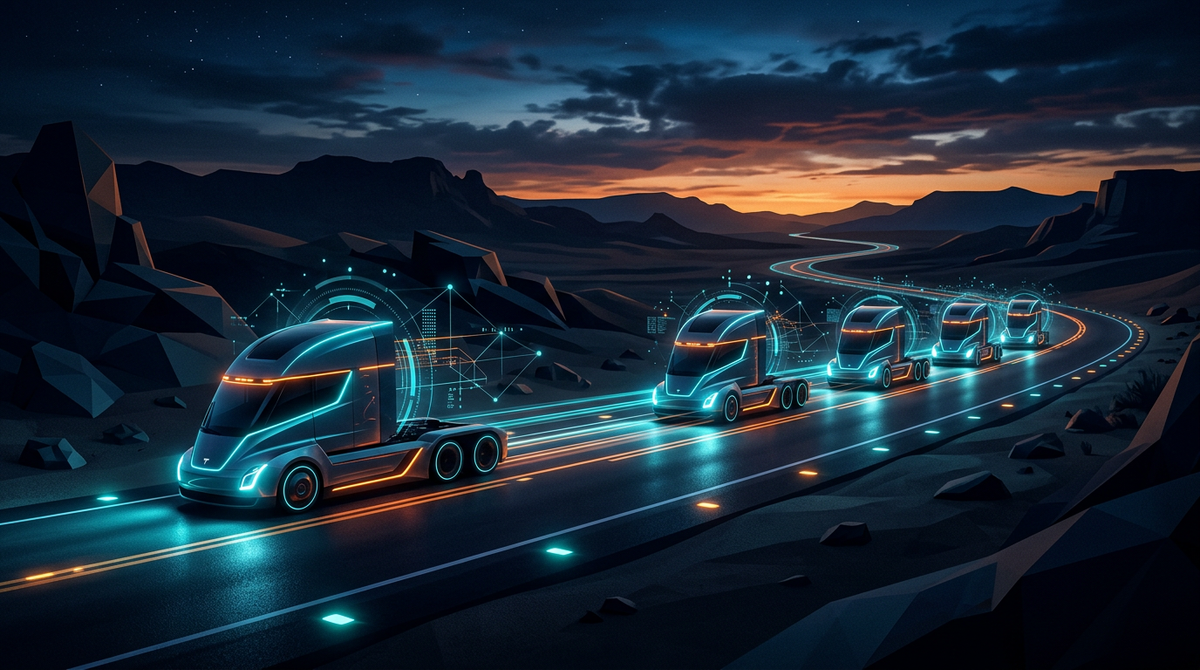
In the world of autonomous trucking, the difference between a prototype and a fleet is measured in tens of thousands of units. Aurora Innovation is making it clear that their roadmap is built for industrial scale. According to the company’s CFO, the target of deploying 30,000 driverless trucks by 2030 is a realistic projection based on the current trajectory of their hardware-software integration and the demand from the logistics sector.
The skepticism surrounding autonomous vehicles often stems from the "hype cycles" of the mid-2010s, but Aurora argues that the technology has finally met the infrastructure. By focusing on Class 8 trucks—vehicles that primarily operate on predictable highway routes—Aurora simplifies the operational design domain compared to the chaotic nature of urban robotaxis. This focus allows for a more aggressive scaling strategy, as long-haul trucking faces a chronic driver shortage and rising operational costs.
Achieving this volume will require more than just software; it demands a robust supply chain and deep integration with truck manufacturers. Aurora’s approach emphasizes "fungibility" and reliability, ensuring that their autonomous drivers can be swapped across different vehicle platforms. If the company hits its 2030 milestone, it won't just be a win for Aurora; it will represent a fundamental restructuring of the global supply chain, where the "middle mile" is powered entirely by silicon and sensors.
Source: TechCrunch