Aurora’s 30,000-Truck Ambition: Scaling the Future of Freight
Aurora is doubling down on its vision for autonomous freight, targeting a fleet of 30,000 driverless trucks by 2030. Despite historical industry skepticism, the company maintains that its path to scale is grounded in operational reality.
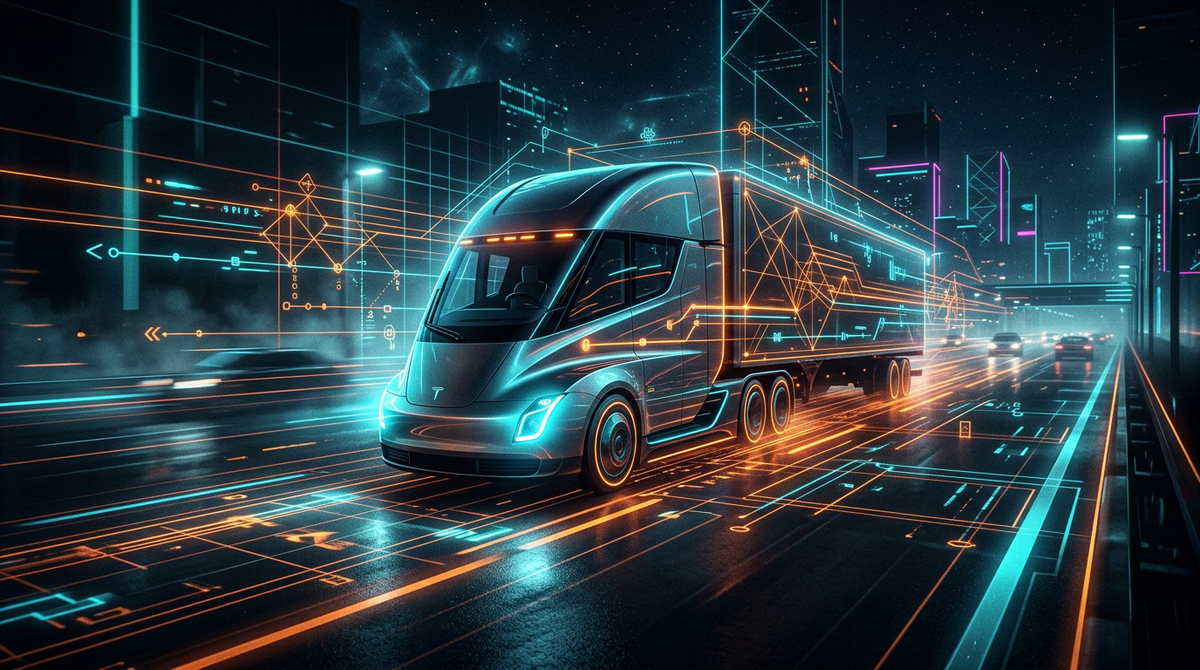
The dream of autonomous long-haul trucking is entering a critical execution phase. Aurora’s CFO recently defended the company’s target of deploying 30,000 driverless trucks by the end of the decade, arguing that the milestone is a reflection of hardware maturity and commercial demand rather than mere aspiration. This aggressive roadmap highlights a growing divide in the autonomous vehicle (AV) sector between passenger robotaxis and heavy freight.
Trucking offers a more predictable environment for AV systems compared to dense urban centers. Highway driving, while high-stakes due to the mass of the vehicles, lacks the chaotic "edge cases" of city pedestrians and complex intersections. Aurora’s strategy focuses on a "Driver-as-a-Service" model, where carriers can integrate Aurora’s autonomous hardware and software stack into their existing fleets. This asset-light approach is designed to accelerate adoption without the overhead of fleet ownership.
However, the road to 30,000 units is fraught with regulatory and safety hurdles. Critics point to the immense compute power required to safely stop an 80,000-pound vehicle at highway speeds. Aurora’s confidence suggests they have solved the latency and reliability issues inherent in high-speed autonomy, but the next four years will be the ultimate test of their commercial scalability.
Source: TechCrunch