Atlas Redefined: Boston Dynamics Unveils a New Era of Robotic Dexterity
Boston Dynamics has unveiled a new hand for its Atlas robot, moving away from specialized prototypes toward a design optimized for mass production and dexterous manipulation. The new hand features improved durability and a more human-like range of motion.
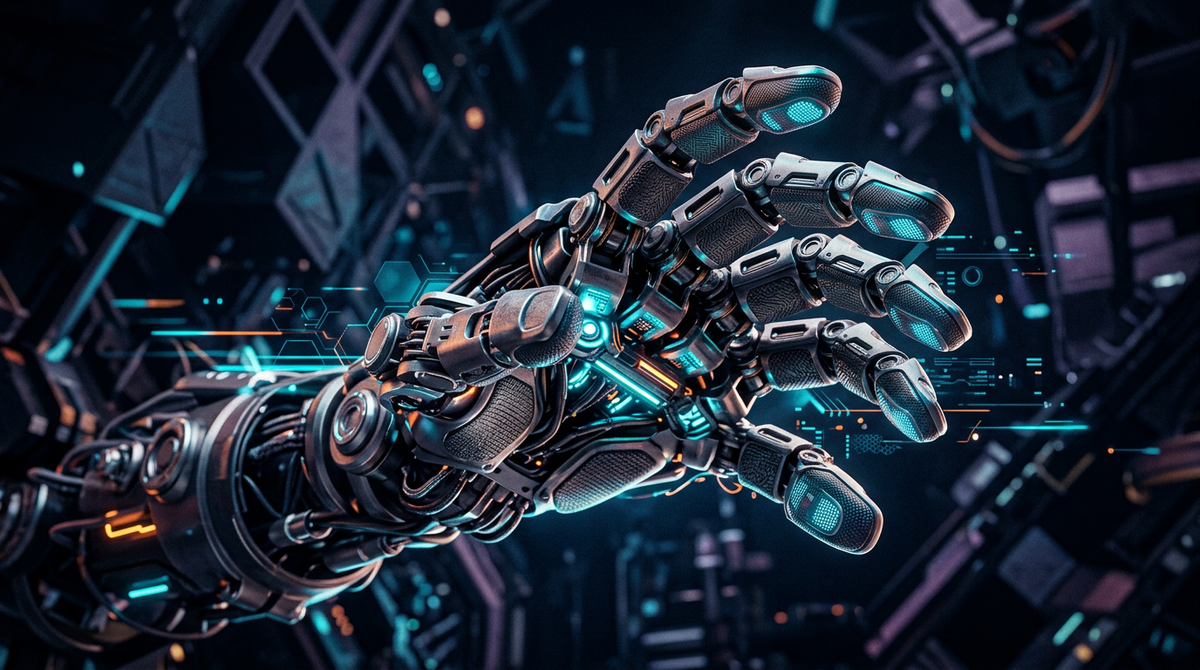
Boston Dynamics continues to set the benchmark for humanoid robotics with the announcement of a completely redesigned hand for the Atlas platform. While previous iterations of Atlas were famous for parkour and backflips, their "hands" were often simple grippers or specialized tools designed for specific demonstrations. The new hand marks a shift toward fungibility and general-purpose utility, featuring a design that balances robust power with the delicate dexterity required for industrial and domestic tasks.
The redesign focuses on reducing complexity to facilitate eventual mass production. Unlike the highly complex, delicate robotic hands of the past, this new version is built to withstand the rigors of real-world work—dropping tools, bumping into walls, and operating in dusty environments. It incorporates integrated sensing to provide haptic feedback, allowing the robot to "feel" the shape and weight of objects, which is essential for tasks like picking up a cardboard box without crushing it or turning a screwdriver.
This evolution is critical for the broader robotics industry. For a humanoid robot to be truly useful, it must be able to interact with a world designed for human hands. By refining the Atlas hand, Boston Dynamics is moving closer to a commercial-ready humanoid that can seamlessly replace human labor in hazardous or repetitive environments. The focus on durability over pure "superhuman" capability suggests that the company is preparing Atlas for the factory floor, rather than just the research lab.
Source: IEEE Spectrum