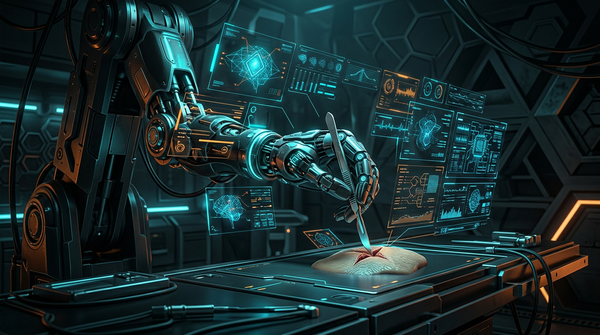
Adversarial Safety: Red-Teaming the Next Generation of ADAS
Laplace Intelligence is revolutionizing the testing of autonomous systems through AI-driven 'red-teaming.' By using interactive simulations to create 'worst-case' scenarios, the startup ensures that ADAS and robots are safe before they enter human environments.
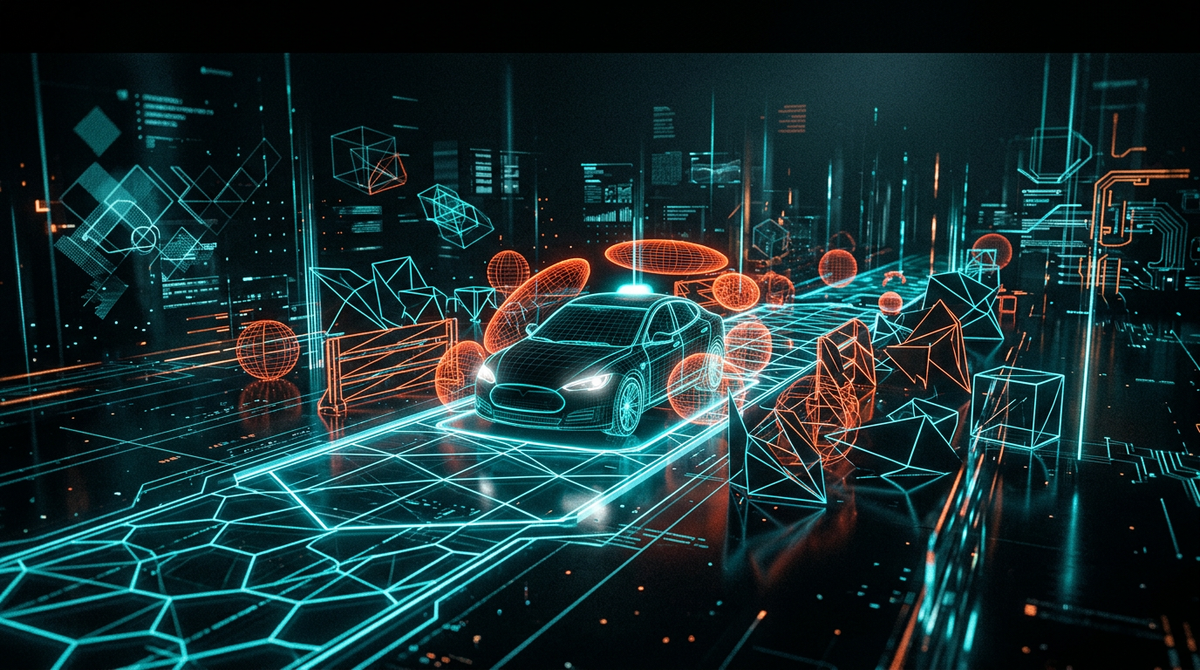
As Advanced Driver Assistance Systems (ADAS) become more prevalent, the industry faces a 'long tail' problem: how do you test for the millions of rare, dangerous edge cases that occur in the real world? Laplace Intelligence, a spinout from the University of Michigan, believes the answer lies in adversarial simulation. Their platform uses AI agents to 'red-team' autonomous systems, actively searching for weaknesses in their perception and decision-making stacks.
Traditional testing often relies on replaying recorded sensor data or running simple scripted scenarios. However, Laplace’s approach is interactive. Their AI agents act as unpredictable pedestrians, erratic drivers, or sensor-confusing weather patterns that react to the vehicle's movements in real time. If an ADAS system shows a slight hesitation in a specific lighting condition, the red-teaming agent will double down on that weakness to see if it leads to a catastrophic failure.
This methodology is critical for moving beyond Level 2+ systems to higher levels of autonomy. By identifying failure modes in a high-fidelity virtual environment, developers can retrain their models before a single tire touches the pavement. This not only accelerates the development cycle but also provides a quantifiable safety metric that regulators are increasingly demanding. In the world of ADAS, it is no longer enough to be 'usually safe'; systems must be proven resilient against an active, intelligent environment.
Source: TechCrunch