Walden and Toyota Pivot to Practical Humanoids: The End of the Novelty Era?
Walden Robotics and Toyota are collaborating to move humanoid robots out of the lab and into practical, labor-intensive roles using new tactile and optical sensing.
The humanoid robot race is entering a new phase focused on utility rather than novelty. Walden Robotics has partnered with Toyota to develop practical humanoid systems designed for real-world labor. This partnership signals a shift away from the "mad rush" of building humanoids just because it’s possible, focusing instead on solving specific industrial and domestic challenges.
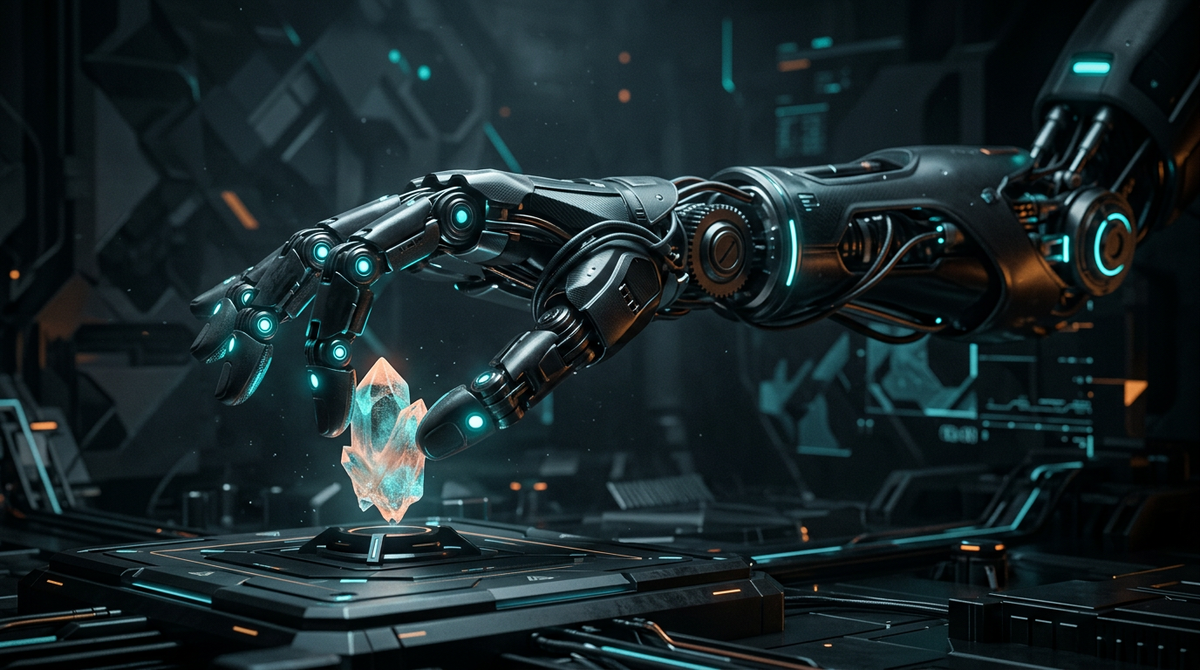
Key to this advancement are breakthroughs in sensory technology. New research into "feeling in color"—where robot fingers use optical sensors to detect surface texture and pressure with human-like precision—is being integrated into these platforms. Additionally, researchers are exploring optical tech that allows a robot’s AI to update on the fly, adapting to new tools or environments without needing a full system reboot.
Toyota’s involvement brings a manufacturing-first perspective to Walden’s robotic designs. By focusing on ergonomics and task-specific movements, the duo aims to create humanoids that can work alongside people in factories or elder-care facilities. The goal is to move past the "uncanny valley" and into a space where robots are viewed as reliable, dexterous tools that can handle the physical variability of the human world.
Source: IEEE Spectrum