Uber’s 500-Vehicle Data Fleet Signals New Push into SDV Architecture
Uber is deploying 500 specially modified Ioniq 5 vehicles to gather petabytes of urban driving data. This move highlights the shift in Software-Defined Vehicles, where data collection is the primary driver for future software updates and autonomous capabilities.
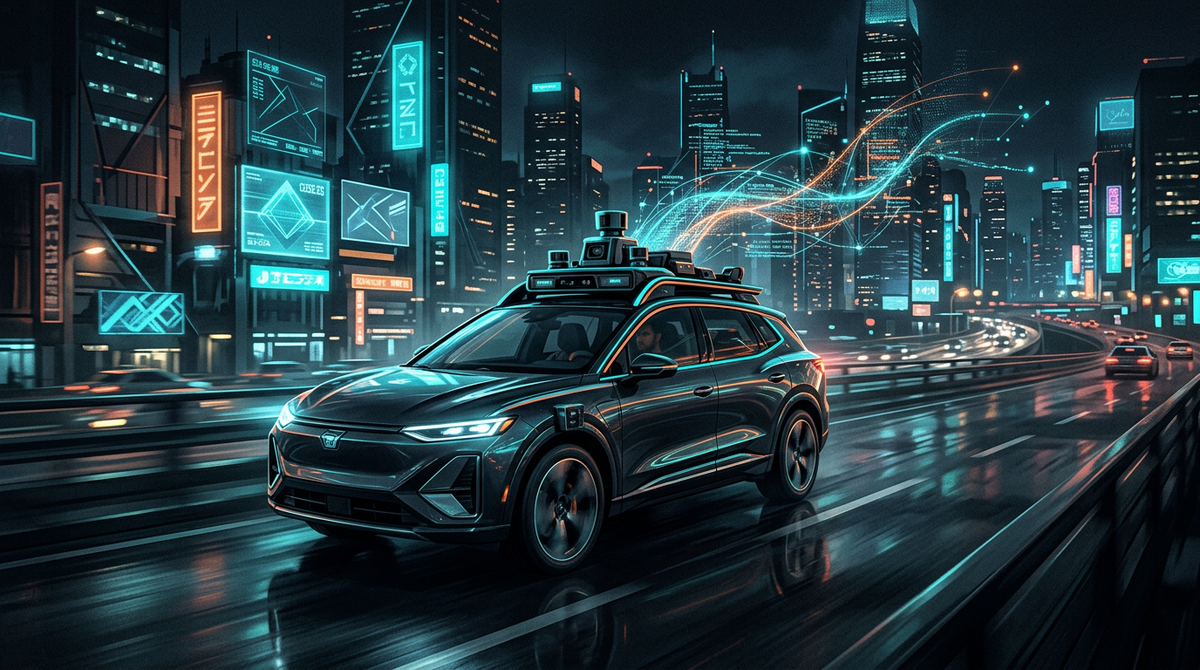
Uber is pivoting back toward internal development with its new AV Labs division, announcing plans to deploy 500 data-collection vehicles this year. The fleet consists of modified Hyundai Ioniq 5s, heavily outfitted with a suite of sensors including LiDAR, radar, and high-resolution cameras. Unlike standard ride-hail vehicles, these units are specifically designed to ingest massive amounts of environmental data to fuel Uber’s evolving software-defined vehicle (SDV) strategy.
The era of the SDV is defined by the hardware increasingly serving as a vessel for sophisticated software stacks. For Uber, this fleet represents a massive "data engine." By capturing thousands of hours of real-world driving across diverse urban landscapes, Uber can train the neural networks that will eventually power its future autonomous partnerships. The sensors on these Ioniq 5s are capable of mapping lane markings, traffic patterns, and pedestrian behavior in granular detail.
This initiative underscores a critical reality in modern automotive engineering: the software is only as good as the ground-truth data it is trained on. By controlling a dedicated fleet of data-gathering SDVs, Uber ensures a constant stream of high-quality training material. This allows for rapid iteration of ADAS and autonomous software, enabling the digital architecture of the vehicle to be upgraded over-the-air based on the lessons learned by the fleet currently on the road.
Source: TechCrunch