The Vision Trap: NHTSA Probes ADAS Reliability in Low-Visibility Conditions
The NHTSA is investigating Tesla's 'Full Self-Driving' crashes in low-visibility conditions. The probe focuses on internal documents regarding radar's role in safety, highlighting the ongoing debate between vision-only and sensor-fusion approaches to ADAS.
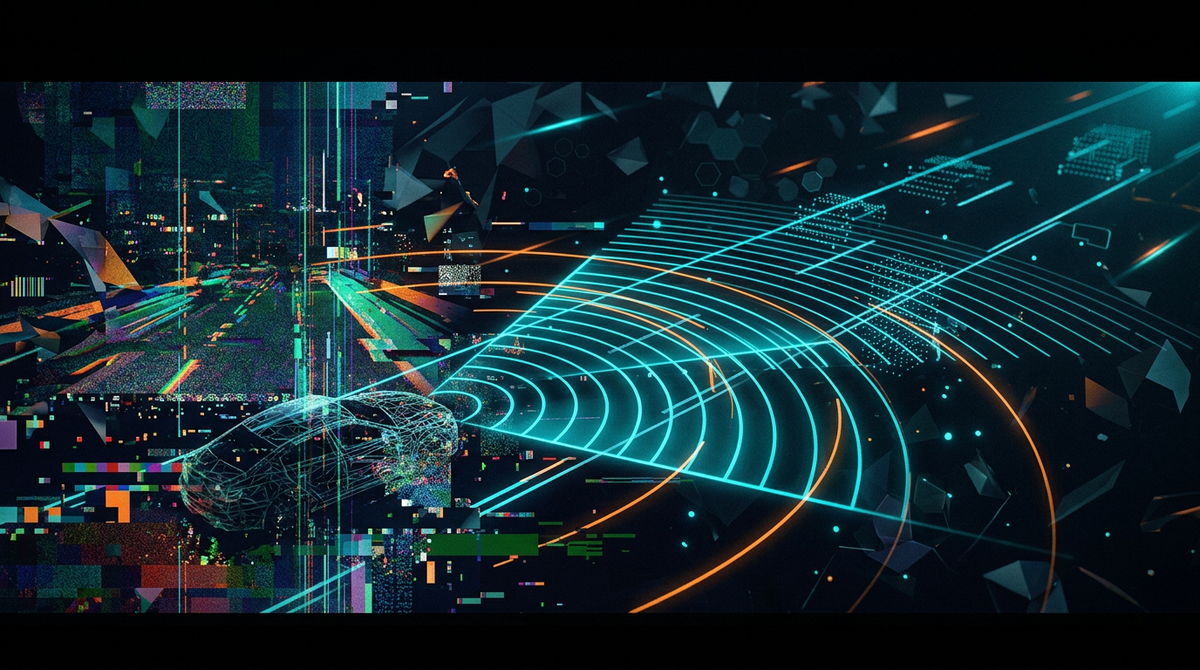
A new chapter in the debate over Advanced Driver Assistance Systems (ADAS) is unfolding as the NHTSA intensifies its probe into Tesla’s 'Full Self-Driving' (FSD) software. Central to the investigation is an internal Tesla document titled 'Radar Saves Us,' which federal regulators have recently demanded as evidence. The probe focuses specifically on how FSD performs in low-visibility conditions—such as sun glare, fog, or heavy dust—where vision-only systems often struggle to maintain accuracy.
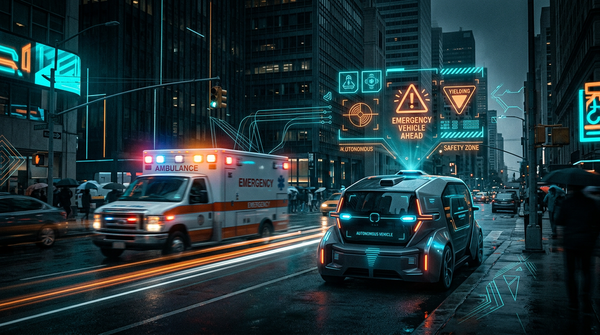
This investigation highlights the technological schism in the ADAS world. While many manufacturers have moved toward a 'sensor-fusion' strategy—combining LiDAR, radar, and cameras to create a redundant view of the world—Tesla famously pivoted to a 'vision-only' approach. The NHTSA’s interest in the 'Radar Saves Us' document suggests that there may have been internal concerns about the limitations of cameras when atmospheric conditions degrade. If the data shows that radar would have prevented crashes in these scenarios, it could force a massive shift in how ADAS safety is regulated and implemented.
For engineers, the takeaway is clear: redundancy is not just a safety feature; it is a legal and technical necessity in the pursuit of Level 3 and Level 4 autonomy. As the industry moves toward higher levels of assistance, the ability of a system to maintain 'situational awareness' when its primary sensor is blinded remains the most critical engineering hurdle. The outcome of this probe will likely set the safety standard for all future ADAS deployments.
Source: Electrek