The Vehicle as a Battery: Redefining the SDV’s Role in the Smart Grid
Lunar Energy has debuted a 25-kW home DC fast charger designed to integrate with vehicle-to-home (V2H) ecosystems. This technology marks a shift toward the Software-Defined Vehicle as a primary energy node for the modern household.
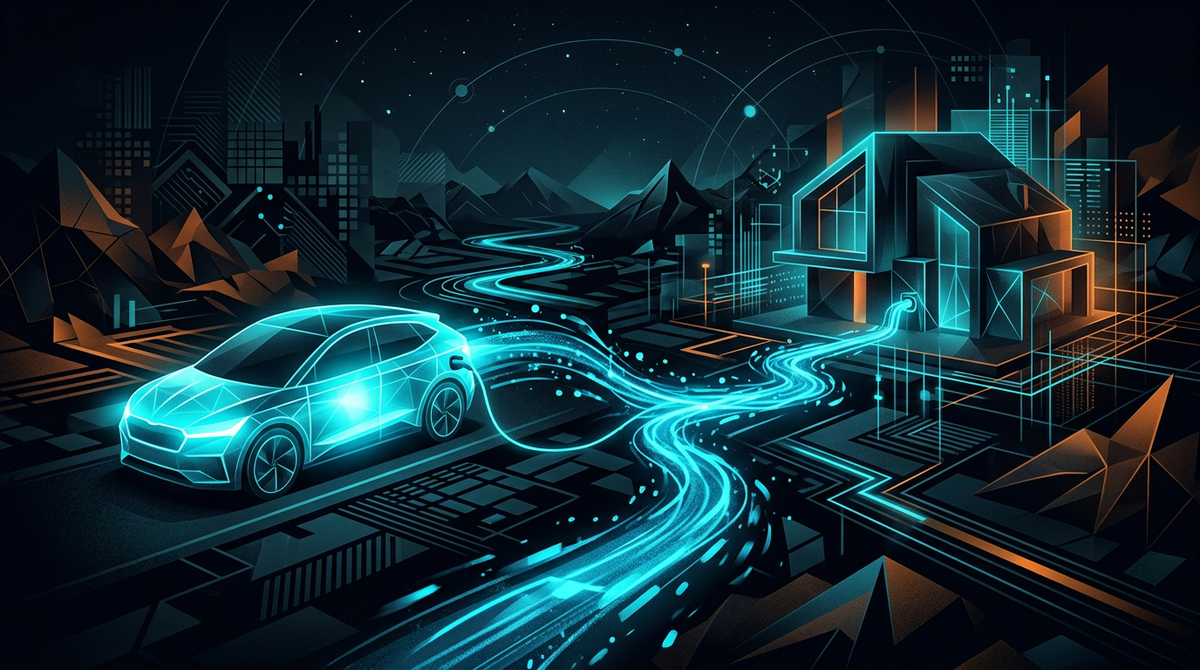
The concept of the Software-Defined Vehicle (SDV) is evolving beyond the dashboard. With Lunar Energy’s new 25-kW home DC fast charger, the vehicle is being reimagined as a sophisticated, bi-directional energy storage unit. By bypassing traditional AC-to-DC conversion losses, this system allows for unprecedented control over how energy flows between the grid, the home, and the vehicle’s battery pack.
At the core of this innovation is the software stack that manages load balancing and discharge rates. For an SDV, the battery is no longer a "dumb" fuel tank; it is a programmable asset. This allows homeowners to use their vehicles to power their homes during peak hours or blackouts, effectively turning a parked car into a localized power plant. The integration of smart breakers and cloud-based energy management ensures that non-essential appliances are throttled when the vehicle is the primary power source, maximizing efficiency.
This convergence of automotive engineering and home energy management highlights the true potential of SDV architecture. As vehicles become more modular and connected, their utility extends far beyond transportation. We are entering an era where your car’s software determines not just how it drives, but how it sustains your daily life.
Source: Electrek