The Smoke Test: Why ADAS Systems Must Master Emergency Context
A recent Zoox recall following a 'smoke confusion' incident highlights the critical need for ADAS systems to recognize non-standard environmental hazards like heavy smoke and emergency scenes.
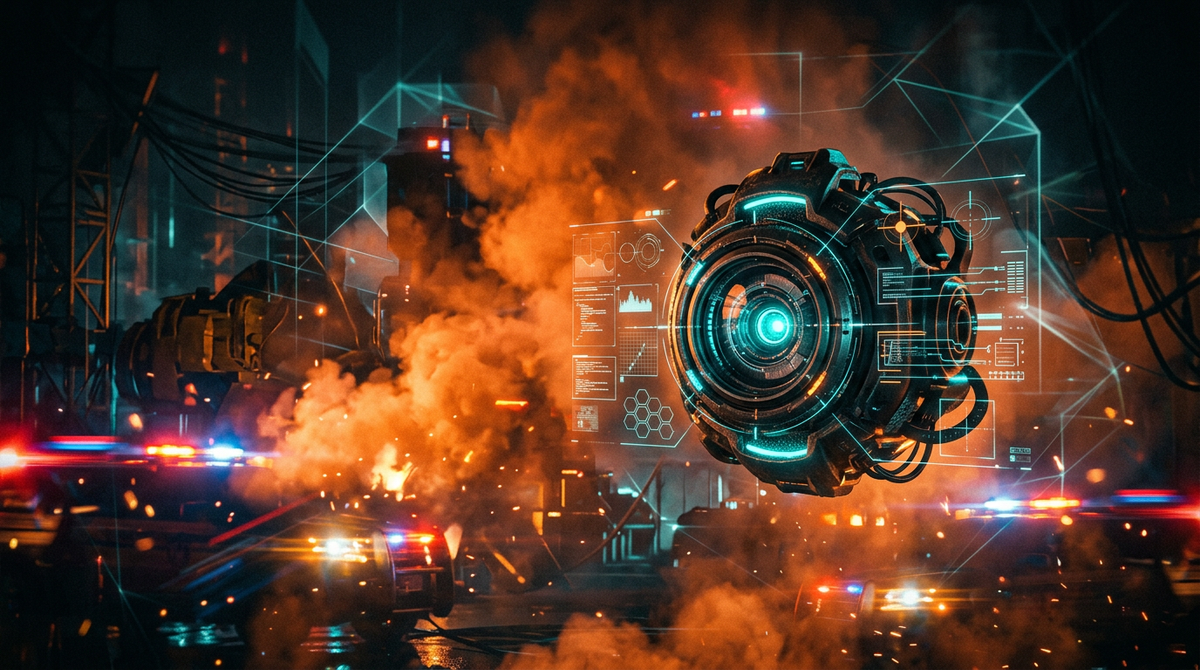
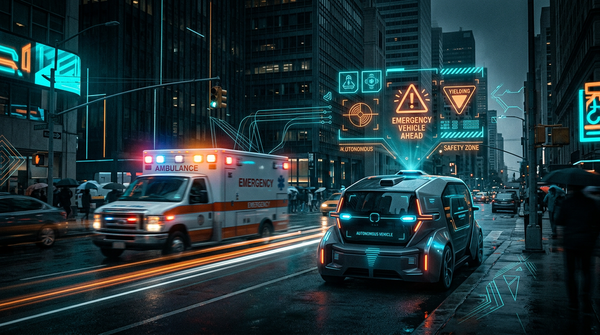
Advanced Driver Assistance Systems (ADAS) and autonomous stacks are facing a new reality: the "edge case" is no longer an excuse. A recent recall by Amazon-owned Zoox, triggered by a robotaxi becoming confused by heavy smoke, has drawn sharp criticism from federal regulators. The National Highway Traffic Safety Administration (NHTSA) has explicitly stated that emergency scenes—featuring smoke, flares, and flashing lights—cannot be treated as rare anomalies but must be core competencies of any self-driving system.
The Zoox incident involved a vehicle that failed to appropriately navigate a scene obscured by smoke, potentially interfering with first responders. This highlights a technical gap in current ADAS sensor fusion. While LiDAR and radar are excellent at detecting solid objects, the interpretation of volumetric hazards like smoke, steam, or heavy rain remains a challenge. Distinguishing between a harmless cloud of exhaust and a dangerous fire requires advanced computer vision and semantic understanding.
As ADAS technology moves closer to Level 3 and Level 4 autonomy, the focus is shifting from simple lane-keeping to complex environmental reasoning. The industry is now under pressure to prove that these systems can not only see the road but also understand the context of what they are seeing, ensuring they don't become a liability during critical public safety incidents.
Source: TechCrunch