The Remote Pilot Dilemma: Tesla Disclosures Shine Light on Robotaxi Vulnerabilities
Tesla has unredacted crash reports from its Robotaxi testing, revealing two incidents involving teleoperators. These disclosures highlight the ongoing technical and regulatory hurdles as the industry shifts from supervised driving to fully autonomous fleets.
The road to a fully autonomous ride-hailing future is proving to be bumpier than many original forecasts suggested. Recent unredacted crash reports from Tesla have brought shared-driving challenges back into the spotlight, revealing two specific incidents where "teleoperators"—human monitors working remotely—were involved in collisions during Robotaxi testing operations. These reports offer a rare glimpse into the "behind-the-scenes" safety layers that companies use to bridge the gap between driver-assist and full autonomy.
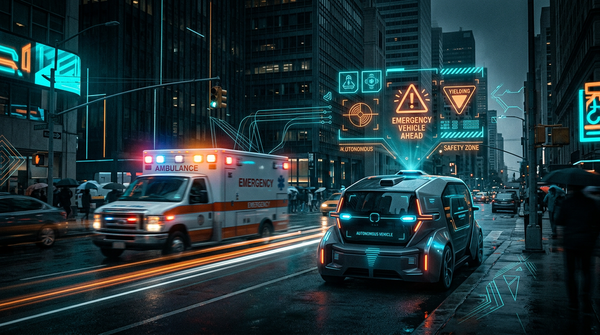
Teleoperation is often viewed as the safety net for autonomous vehicles, allowing a remote human to take over when the AI encounters an edge case it cannot solve. However, these incidents raise critical questions about latency, situational awareness, and the hand-off protocol between machine and remote pilot. If the human operator is miles away, can they react fast enough to a sudden pedestrian movement or a localized traffic hazard? The data suggests that even with remote supervision, the transition of control remains a significant point of failure.
As Tesla and other competitors like Waymo and Avride scale their driverless operations, regulatory scrutiny is intensifying. The National Highway Traffic Safety Administration (NHTSA) is paying closer attention to these "hybrid" human-AI crashes. For the industry to move forward, the focus must shift from simply improving the AI's driving logic to perfecting the infrastructure that supports remote intervention. The goal is a seamless "hive mind" approach, but for now, the teleoperator remains a fallible, though necessary, component of the autonomous ecosystem.
Source: TechCrunch