The Quest for Dexterity: Proception’s $11M Bet on Robotic Hands
Proception, a specialized robotics startup, has settled a trade secret suit with Tesla and raised $11M to solve the hardest problem in robotics: human-like hands. The company uses unique 'video-game-to-reality' training data.
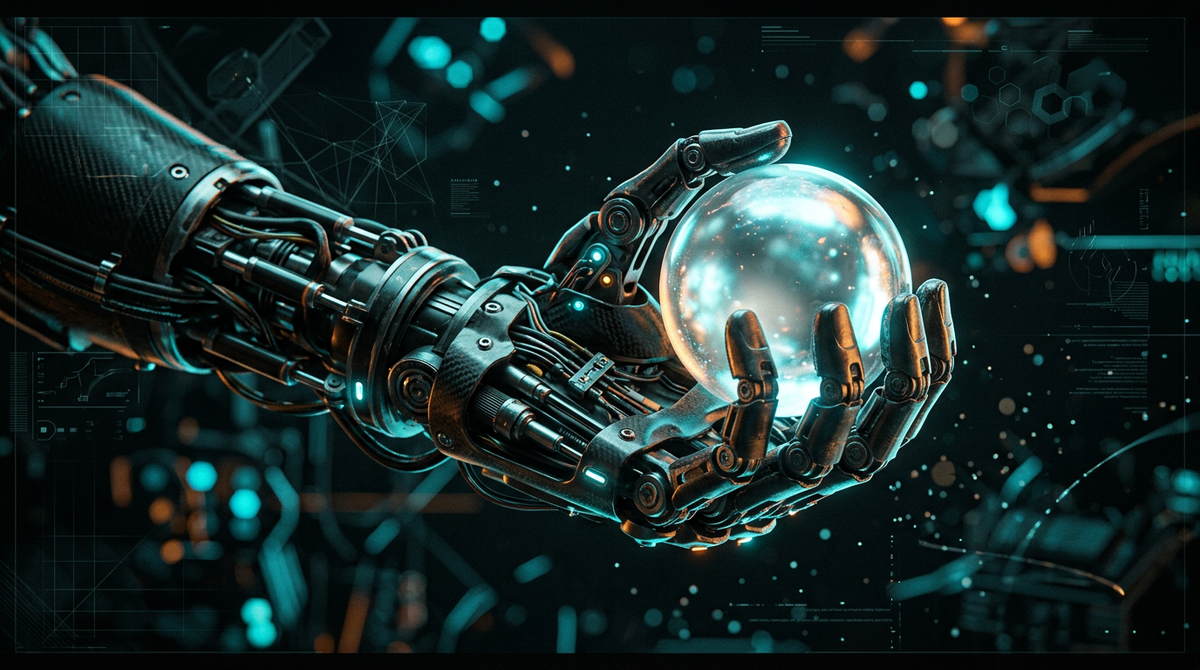
Human hands are often cited as the "final boss" of robotics. With dozens of degrees of freedom and the need for delicate tactile feedback, replicating human manipulation has stalled many humanoid projects. Proception, a startup that recently emerged from a legal battle with Tesla, is taking a novel approach to this problem with their latest $11M funding round.
Instead of relying solely on physical teleoperation—where a human wears a glove to move a robot—Proception is using high-fidelity simulations and gaming data to train its neural networks. The idea is that the physics engines used in modern gaming are now sophisticated enough to simulate the friction, weight, and "give" of objects. By training in these virtual environments, their robotic hands can fail and learn millions of times per second before ever touching a physical object.
This "Sim-to-Real" pipeline is essential for scaling Robotics. The settlement with Tesla also clears the path for Proception to bring its proprietary tactile sensors to market. These sensors allow the robot to "feel" surface textures and slippage, enabling it to pick up an egg or a power tool with equal ease. As the labor shortage continues to bite in manufacturing and logistics, the race for a dexterous robot hand is becoming one of the most well-funded niches in the tech world.
Source: TechCrunch