The Physical AI Frontier: NVIDIA and Google Cloud Scale Developer Ecosystem
NVIDIA and Google Cloud have expanded their partnership to provide over 100,000 developers with specialized tools for Physical AI. The collaboration focuses on bridging the digital-to-physical divide, allowing reinforcement learning models to interact more seamlessly with real-world sensor data.
Bridging the Gap Between Neural Nets and Material Reality
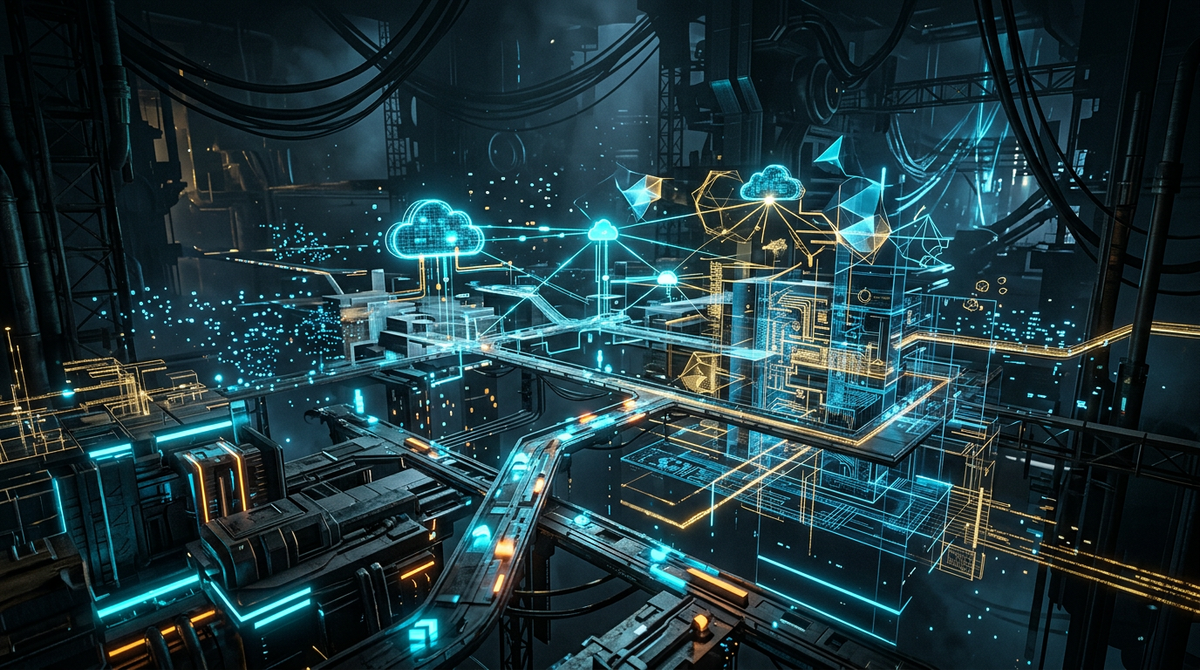
The boundary between cloud-based intelligence and physical manifestation is blurring. At the latest industry gathering, NVIDIA and Google Cloud announced a massive scaling effort aimed at the global developer community. By providing integrated learning paths and hardware-accelerated sandboxes, the partnership is designed to empower the next wave of "AI Builders"—engineers who aren't just coding chatbots, but are developing the Physical AI destined for factories, cities, and homes.
Physical AI requires a fundamentally different approach than generative text. It demands extremely low-latency inference and the ability to process multimodal sensor data—Lidar, cameras, and haptics—in real-time. By leveraging Google Cloud’s infrastructure and NVIDIA’s acceleration libraries, developers can now train complex reinforcement learning models in simulated environments that precisely mirror physical laws before deploying them to edge devices.
This ecosystem expansion is critical for the "NVIDIA Vera" architecture, which seeks to move AI out of the data center and into the wild. As developers gain access to these tools, we expect to see a surge in autonomous systems that don't just "calculate," but "perceive" and "interact" with the entropy of the physical world. The goal is clear: turning the planet into a smart, responsive environment where AI acts as a physical agent rather than a digital assistant.
Source: NVIDIA Blog