The Last Centimeter: Proception’s Quest for Robotic Hand Dexterity
Proception has settled a trade secret lawsuit with Tesla and raised $11 million to focus on humanoid hand dexterity. The startup is tackling the 'manipulation gap' by using unique data collection methods to train robots for complex human tasks.
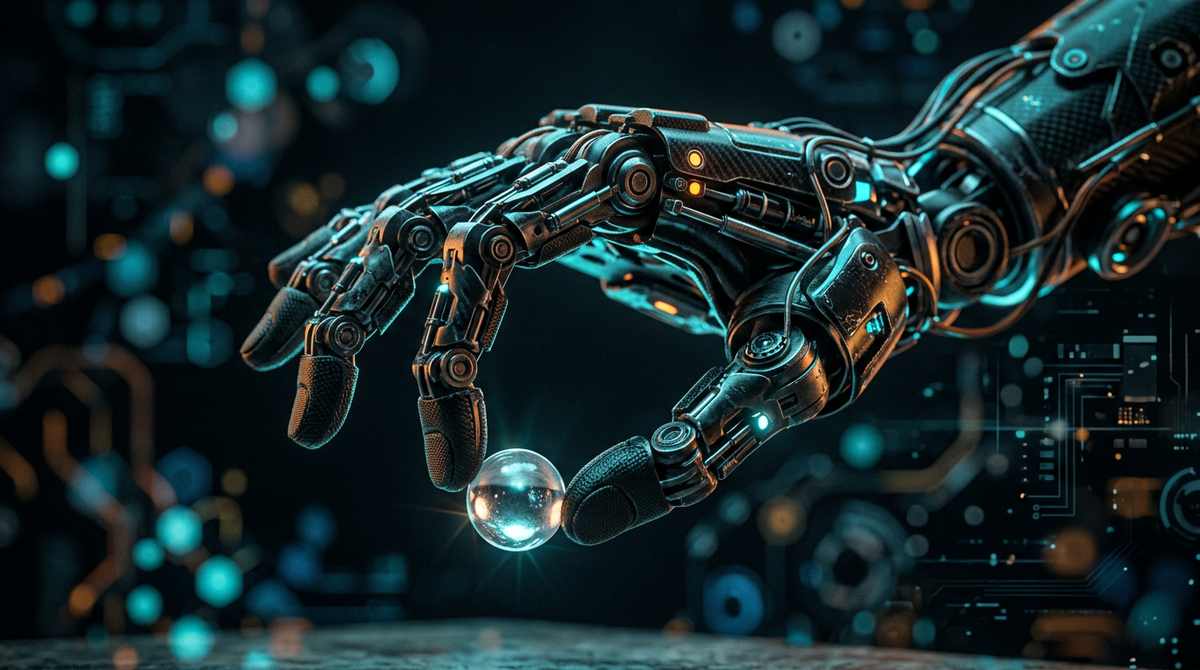
While humanoid robots have made massive strides in walking and even running, the ability to manipulate objects with the dexterity of a human hand remains the industry’s "Holy Grail." Proception, a robotics startup that recently emerged from a legal battle with Tesla, is aiming to solve this specifically. With a fresh $11 million in capital, the company is focusing on the intricate task of robotic tactile feedback and finger coordination.
The challenge with robotic hands is not just the mechanical complexity—requiring dozens of actuators in a small space—but the training data. Proception is utilizing a proprietary method for collecting human-to-robot mapping data, allowing their AI to learn the nuanced "touch" required for tasks like handling fragile electronics or using standard human tools. This is a departure from pure reinforcement learning, which often struggles with the high-dimensional complexity of five-fingered grippers.
The settlement with Tesla allows Proception to operate with a clear runway, focusing on a niche that Tesla’s own Optimus project is also chasing. As we move toward robots that can truly replace human labor in assembly lines and kitchens, the development of haptic-enabled, multi-fingered hands will be the deciding factor in whether a robot is a specialized tool or a general-purpose laborer. Proception’s focus on the "last centimeter" of robotics could be the key to unlocking the next wave of industrial automation.
Source: TechCrunch