The Human in the Loop: Tesla’s Robotaxi Crashes Under Teleoperation
Tesla reveals that teleoperators were involved in two recent Robotaxi crashes, raising questions about the current limits of end-to-end autonomy. These incidents underscore the challenges of scaling driverless fleets in complex urban environments.
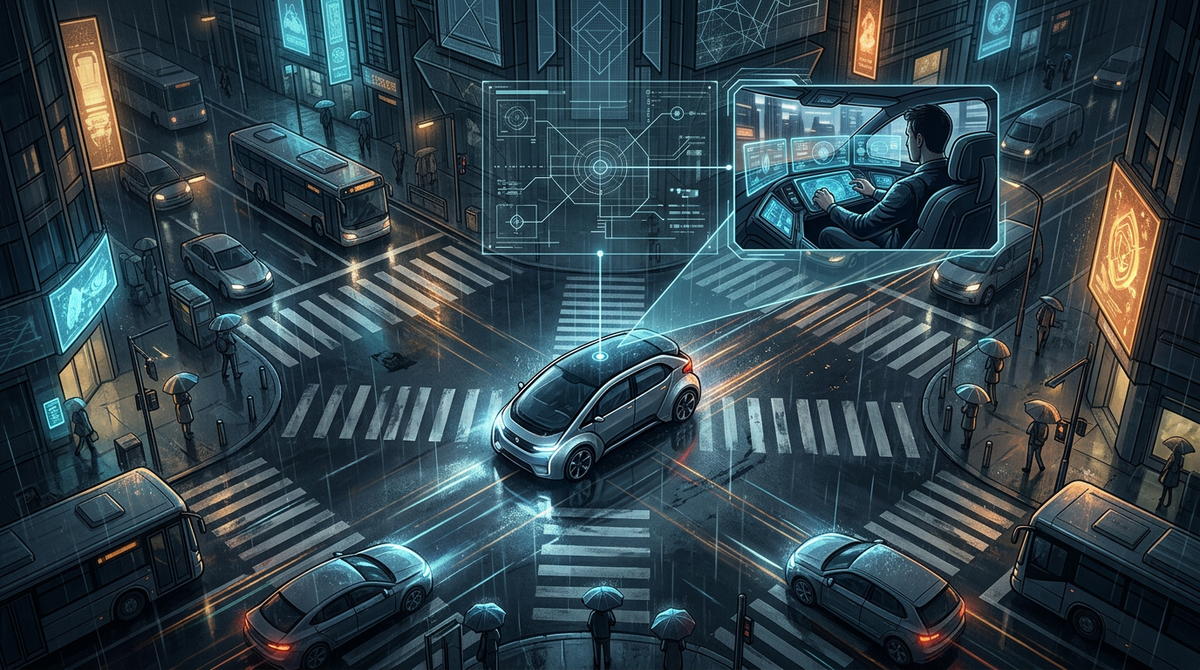
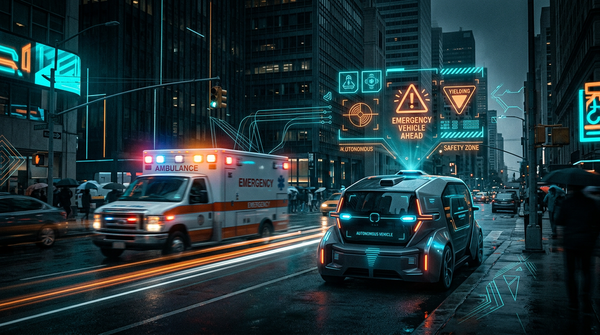
The road to full autonomy is proving to be a hybrid one, according to newly unredacted crash reports from Tesla. The documents reveal that two recent accidents involving Tesla’s Robotaxi prototypes occurred while teleoperators—human drivers monitoring and controlling the vehicles remotely—were engaged. This disclosure highlights a critical "safety net" phase in autonomous vehicle (AV) deployment that is often downplayed in marketing narratives.
Teleoperation is frequently used by AV companies like Waymo and Zoox to help vehicles navigate "edge cases" or technical glitches, but its role in Tesla’s specific end-to-end neural network approach has been less transparent. The fact that crashes occurred under teleoperator supervision suggests that the handoff between AI and remote human control remains a high-risk friction point. Whether the error lay in the AI’s initial trajectory or the operator’s remote intervention, the incidents serve as a sobering reminder that scaling a robotaxi service requires more than just high-performance software; it requires a robust, fail-safe infrastructure of human and machine cooperation.
As Tesla pushes toward a commercial launch, these reports will likely intensify regulatory scrutiny. The industry is learning that removing the driver from the front seat doesn't yet mean removing the human from the loop—it just changes the nature of the interface and the potential for error.
Source: TechCrunch